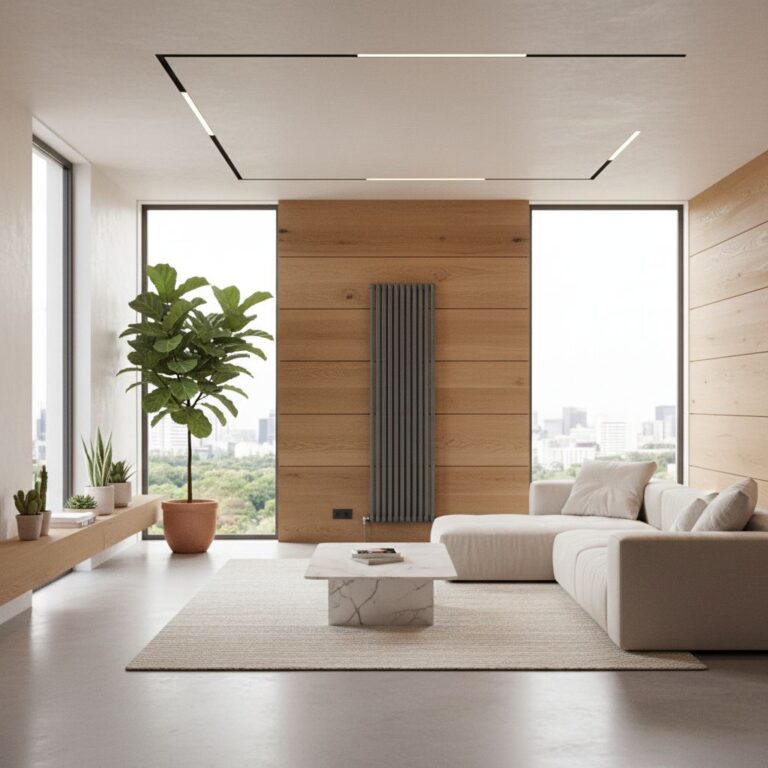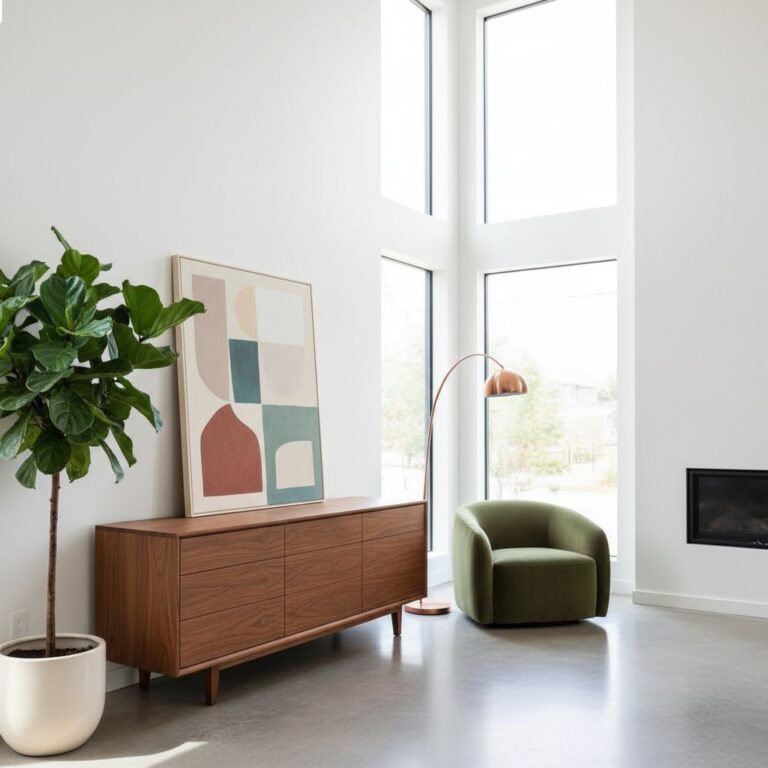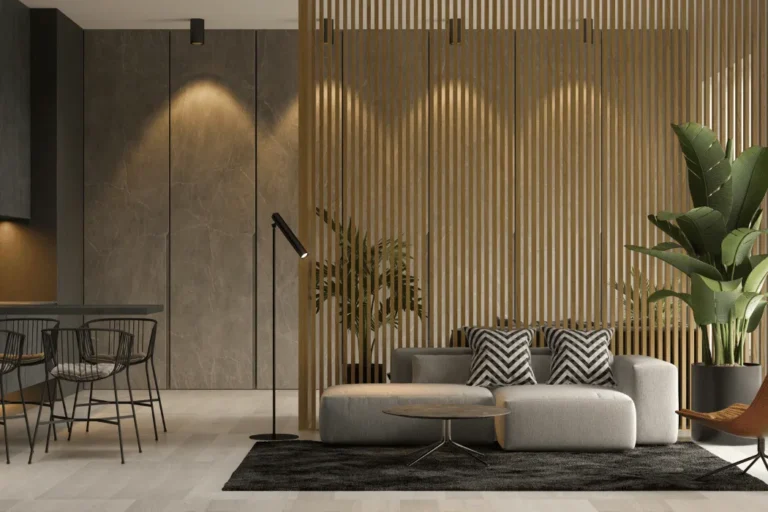
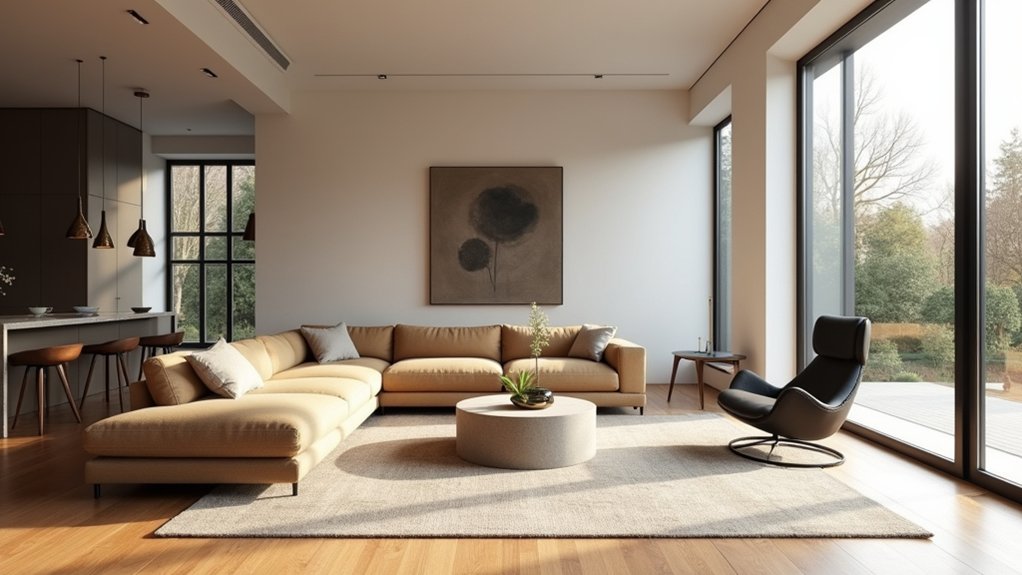
You’re seeing the rise of modern interiors take over UK homes because they make space feel calmer and more intentional. You strip back clutter, lean into clean lines, and let negative space do the heavy lifting. A neutral base gets depth from oak, linen, microcement, and brushed metal, then you anchor it with one bold move—sculptural lighting, overscale art, or a hero sofa. But modern isn’t the same as contemporary, and that’s where it gets interesting…
Key Takeaways
- Modern interiors draw from early-to-mid 20th century design, emphasizing disciplined proportions, honest materials, and joinery-led furniture.
- Clean architectural lines, open sightlines, and purposeful negative space create calm, uncluttered rooms with clear circulation.
- Timeless palettes and tactile layering—oak, honed stone, bouclé, plaster—balance minimalism with warmth and comfort.
- Bold statements come from one or two hero pieces like sculptural lighting, oversized art, or iconic low-profile furniture.
- Today’s rise is fueled by space efficiency, social-media-ready simplicity, and eco-conscious materials like FSC timber and low-VOC finishes.
Modern vs. Contemporary Interiors: What’s the Difference?
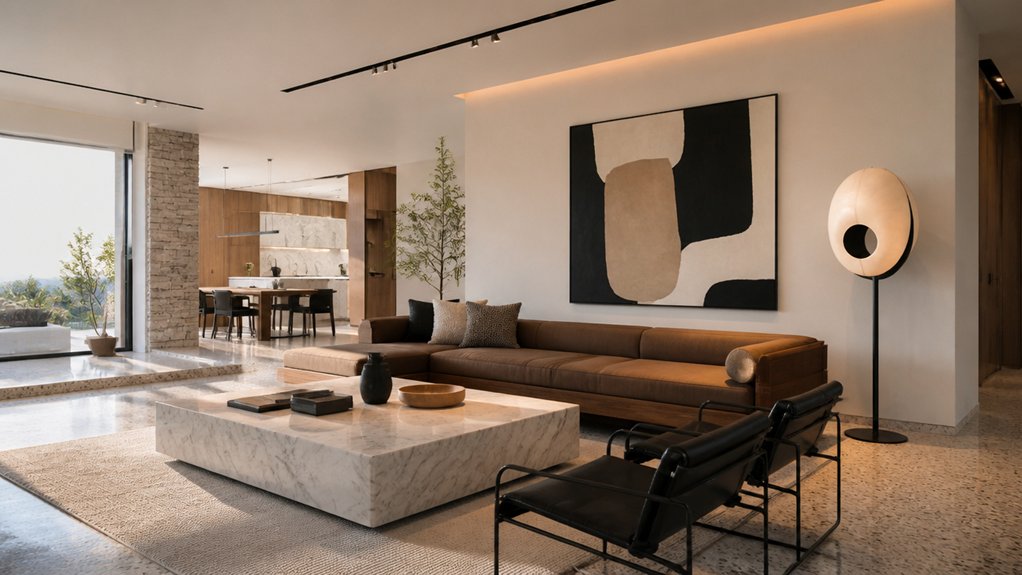
Although “modern” and “contemporary” often get used interchangeably in UK interiors, they’re not the same thing. You can treat modern as a period style: think early-to-mid 20th century, shaped by the historical evolution from Arts and Crafts to Bauhaus and post-war rebuilding.
You’ll spot disciplined proportions, honest materials, and joinery-led furniture that suits a Victorian terrace as neatly as a new-build.
You should see contemporary as a moving target, defined by what’s happening now. It shifts with cultural influences—Scandi calm, Japanese wabi-sabi, London loft minimalism—plus new finishes, tech, and climate-aware choices.
If you want clarity, anchor “modern” to its roots; use “contemporary” for today’s look, whether it’s curved sofas, limewash walls, or mixed metals.
What Defines Modern Interior Design Today?
If “modern” has roots in early-to-mid 20th-century design, modern interiors today keep that backbone while adapting it to how you live now in the UK. You’ll spot clean architectural lines, purposeful negative space, and a calm palette of warm whites, clay, and deep charcoals that suits British light.
You define it through function-first layouts: open sightlines, built-in storage, and furniture that sits low and streamlined. Materials do the talking—oak, brushed steel, boucle, and honed stone—layered for tactile contrast without clutter.
Lighting stays considered: slim pendants, wall washers, and dimmable LEDs that flatter evening routines. Modern today also welcomes Artistic expression, so you can anchor a room with a single oversized print or sculptural chair.
Cultural influences show up in restrained patterns, artisan ceramics, and curated objects with provenance.
Why Modern Interiors Are Trending
You’re seeing modern interiors trend because you can keep things pared back while making every square metre work harder, from clever storage to multi-use furniture.
You can’t ignore Instagram and TikTok either—clean lines, warm neutrals, and statement lighting photograph brilliantly, so you’re more likely to copy what you’ve just saved.
You’re also choosing modern schemes for their eco edge, with FSC timber, recycled metals, and low-VOC finishes that feel current across UK homes.
Minimalism Meets Functionality
As urban homes get smarter and floorplans get tighter, modern interiors in the UK are leaning into a clean, minimal look that still works hard every day. You’re choosing slimline storage, wall-hung units, and built-in banquettes that free up walkways in Victorian terraces and new-build flats alike.
You keep surfaces calm, but you don’t sacrifice character: a single piece with Vintage charm—a teak sideboard or an enamel pendant—does the talking. Instead of maximalist decor, you curate: one oversized print, one textured rug, one sculptural lamp.
You make function look intentional with pocket doors, concealed charging, and modular sofas sized for box rooms. The result feels airy, efficient, and distinctly modern, without turning your home into a showroom.
Social Media Design Influence
That pared-back, hard-working look doesn’t just suit tight UK floorplans—it also photographs brilliantly, which helps explain why modern interiors keep trending. When you scroll Instagram or TikTok, you’re seeing the same crisp cues: shadow-gap skirting, matte black hardware, microcement-effect walls, and slimline sofas that don’t swamp a London terrace living room.
You’ll save posts, then recreate them with off-the-shelf pieces from high-street favourites, matching angles and proportions to get that “grid-ready” shot.
Social media influence also speeds up taste-making: one viral reel can normalise fluted glass, statement pendants, or warm neutrals overnight.
You can even test layouts with Virtual reality apps, placing a boucle chair or media wall before you buy, so your space looks camera-ready.
Sustainable Materials Appeal
Why do modern interiors feel so right right now? Because you want beauty that doesn’t cost the earth. In the UK, you’re seeing oak veneers from certified forests, limewashed finishes that let walls breathe in Victorian terraces, and low-VOC paints that suit compact London flats.
You choose honest textures—wool bouclé, linen, clay plaster—so spaces look calm yet considered.
Sustainable materials also deliver that crisp, contemporary edge. You specify recycled materials like terrazzo with reprocessed stone chips, worktops in recycled glass, and aluminium that loops back into production.
Eco friendly innovations push it further: mycelium panels, cork acoustics for open-plan living, and smart glazing that cuts heat loss. You get modern lines, plus lower bills and lighter footprints.
The Core Elements: Layout, Lines, and Negative Space
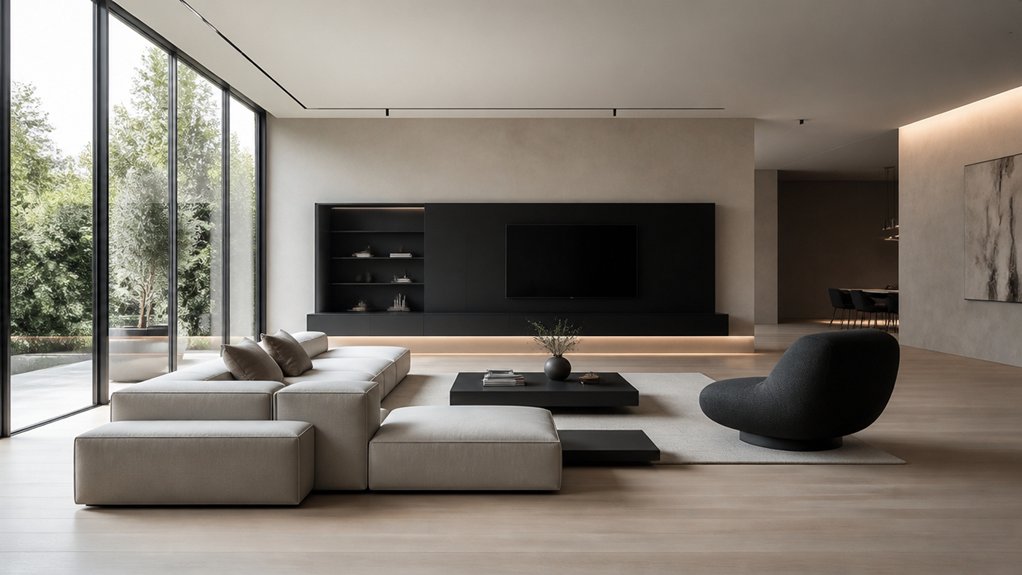
Even if you’ve nailed the colour palette, modern interior design lives or dies by how you organise the room: the layout you choose, the lines you emphasise, and the negative space you leave untouched. Start by zoning like a London open-plan: define dining, lounging, and working without cluttering sightlines. Anchor routes from doorway to window, and keep circulation clear.
Then sharpen the geometry. Repeat straight lines through shelving runs, sofa arms, and lighting placement, so the eye travels calmly. Check furniture proportions: low, long pieces suit UK terraces and new-build flats, while overstuffed shapes fight the look.
Finally, protect negative space. Leave wall sections blank, float key pieces, and let Color palettes read cleaner when they’ve got breathing room.
Materials That Make a Room Feel Modern
Once you’ve got the layout clean and the negative space doing its job, materials become the signal that says “modern” at a glance.
In the UK, you’ll see a shift toward matte microcement, limewash, and plaster finishes that soften light without looking fussy. Pair that with pale oak, ash, or walnut veneers, keeping the grain calm and consistent.
For edge, bring in brushed stainless steel, blackened steel, or smoked glass—clean, slightly industrial, and perfect for small London flats.
Add tactility with bouclé, felted wool, and flatweave rugs, then ground it all with terrazzo or large-format porcelain in warm greys.
Want Vintage charm without going twee? Choose reclaimed timber or aged brass in tiny doses, and let Artistic murals sit on raw plaster or clay paint.
Timeless Statement Pieces (Lighting, Art, Hero Furniture)
After you’ve nailed the finishes, a few timeless statement pieces give the room its backbone—think sculptural lighting that pools warm light on a rainy London evening, a single large artwork that holds a wall without clutter, and one hero chair or sofa that anchors the plan.
Choose statement lighting with a clear silhouette: an opal globe pendant over the dining table, or a brushed-nickel arc floor lamp beside the sofa for reading. Keep proportions sharp—hang pendants low enough to feel intentional, but clear sightlines across the room.
For artwork placement, centre the piece at eye level (about 145cm to the midpoint) and align it to key furniture edges, not random wall space. Let your hero furniture sit proud, then edit everything else around it.
How to Get a Warm Modern Look at Home
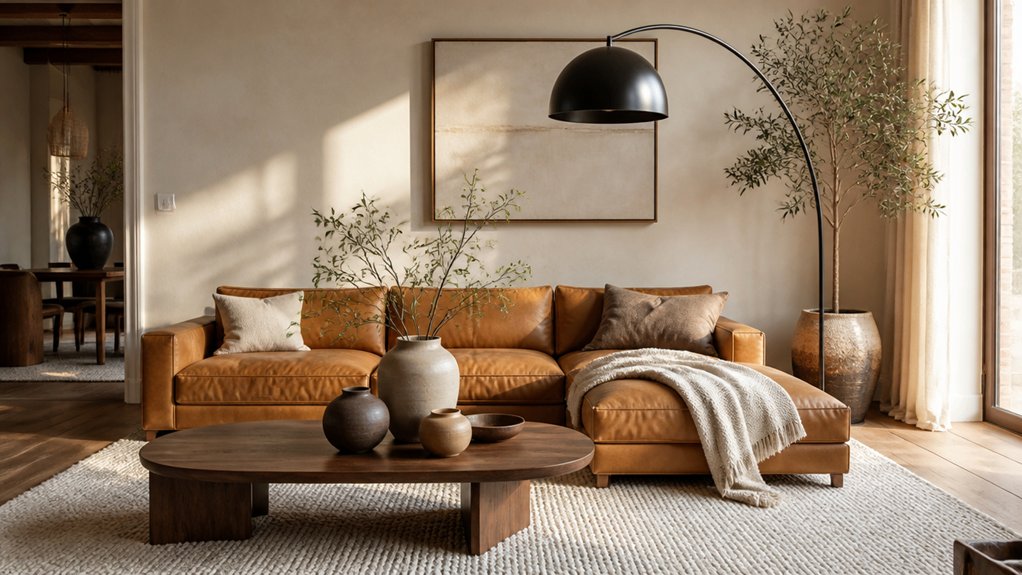
To get a warm modern look at home, you’ll balance clean lines with layered textures—think boucle cushions, wool throws, and a linen sofa you can actually live on.
You’ll ground the scheme with warm woods (oak, walnut) and brushed metals like brass or bronze, keeping the palette soft rather than shiny.
Then you’ll finish it with gentle lighting—dimmable lamps, warm LEDs, and small accent pieces that add glow without clutter.
Layered Textures And Fabrics
While clean lines and pared-back palettes set the modern tone, it’s layered textures and fabrics that stop your space feeling flat or cold. Start with Textile layering: a chunky knit throw over a crisp cotton sofa cover, then add a slub linen cushion and a bouclé accent cushion for contrast. Keep tones tonal—stone, oat, ink—so the mix feels intentional, not busy.
Master fabric pairing by balancing matte and sheen: brushed wool against smooth velvet, or cotton percale alongside a satin-finish scatter.
In UK homes, go practical with washable covers and tightly woven rugs that handle muddy shoes and radiators. Finish with a tall, lined curtain that pools slightly, softening acoustics and giving your room that cosy, modern hush.
Warm Woods And Metals
Even if you’ve nailed a crisp palette and clean-lined furniture, warm woods and thoughtfully chosen metals give modern rooms that lived-in, welcoming edge. Start with oak, walnut, or smoked ash on a dining table, shelving, or a simple slatted media unit; the grain adds depth without clutter.
For a UK-ready update, mix matte black steel with brushed brass or aged bronze—think tapware, cabinet pulls, and slim-framed mirrors. Keep finishes consistent within a room, but vary tone: one hero metal, one supporting.
Bring in Rustic Charm with reclaimed timber stools or a parquet offcut tray, then lean into Vintage Revival via antique-effect hardware or a patinated sideboard. Balance weight with clean silhouettes and tight joinery throughout.
Soft Lighting And Accents
Because modern interiors can read cool on grey days, you’ll get a warmer, more inviting look by layering soft lighting and a few tactile accents rather than adding more colour. Start with dimmable warm LEDs (2700K) and place light at different heights so shadows soften and corners feel finished.
Then add decorative accents that catch the light and bring texture without visual noise.
- Fit a dimmer to your main pendant for an even ambient glow
- Add a shaded table lamp on a sideboard for a cosy pool of light
- Use wall lights to graze plaster, brick, or fluted panels
- Group candles in glass hurricanes for safe, flicker-led warmth
- Finish with bouclé cushions, linen throws, and matte ceramics
Keep bulbs consistent throughout, and your space will feel calm, modern, and lived-in.
Conclusion
You’ve seen why modern interiors keep winning: clean lines, purposeful layouts, and just enough negative space to let materials and light do the talking. It isn’t just a vibe—Houzz’s 2023 UK Bathroom Trends Report found 55% of renovating homeowners want a more modern style, proving the shift is mainstream. If you want a warm modern look, soften your neutrals with oak, boucle, and brushed brass, then anchor the room with one bold, timeless statement piece.
About the Author