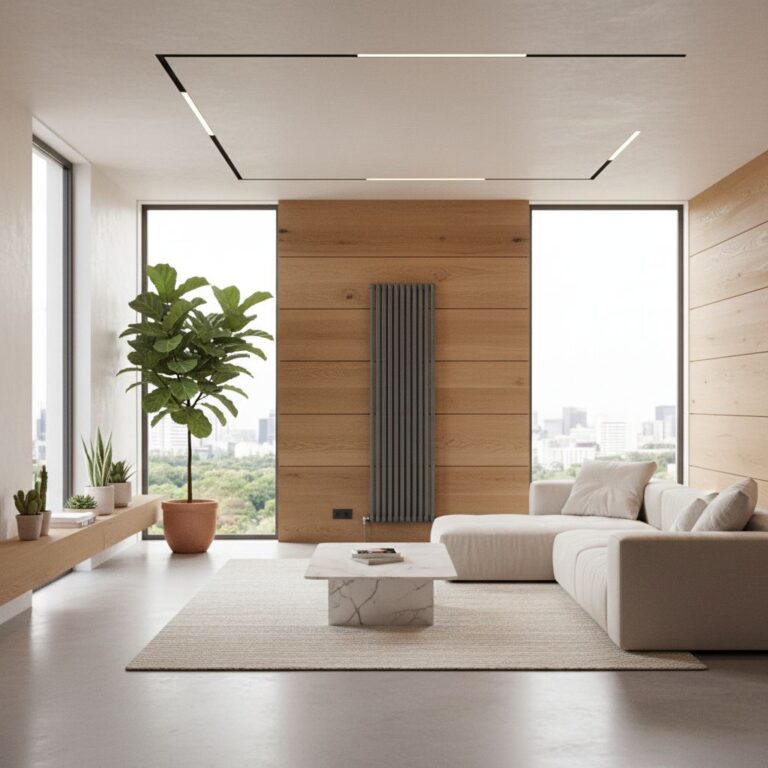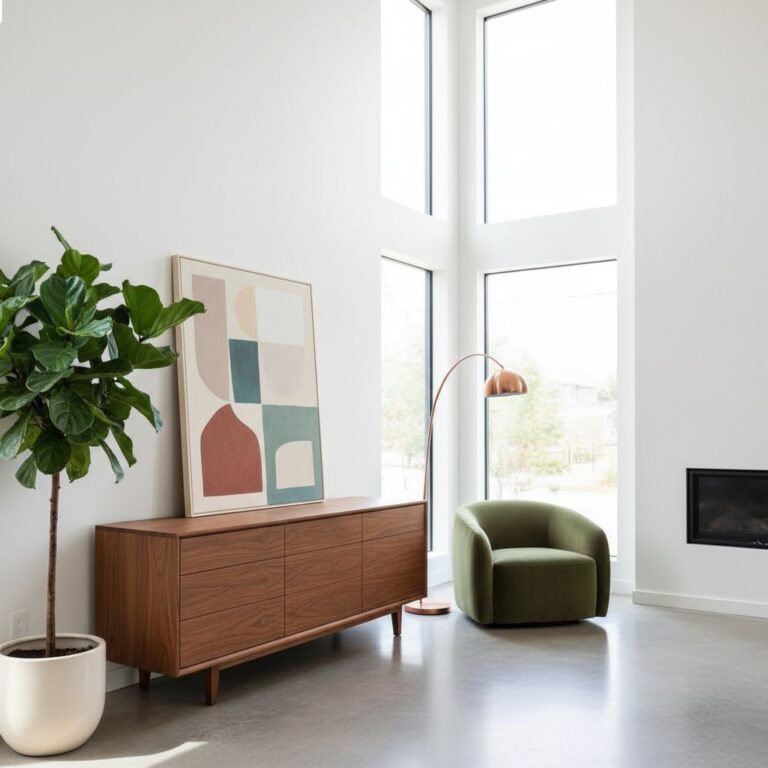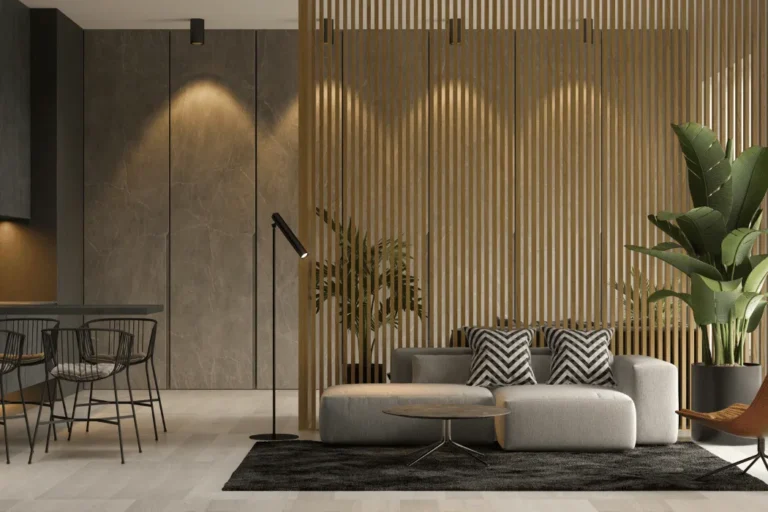

Modern interior design has become one of the most sought-after design styles for homeowners who value simplicity, elegance, and practicality. Combining clean aesthetics with thoughtful functionality, modern interiors create living spaces that are both visually appealing and comfortable for everyday use. While trends continue to evolve, the principles of modern design remain focused on creating environments that feel open, balanced, and purposeful.
Today’s homeowners are increasingly looking for interiors that support their lifestyles while maintaining a sophisticated appearance. Modern design achieves this by emphasizing clean lines, quality materials, efficient layouts, and carefully selected furnishings. Whether applied to a city apartment, a family home, or a luxury residence, modern interiors offer timeless appeal that can adapt to changing needs and preferences.
Understanding Modern Interior Design
Modern interior design is often associated with simplicity and minimalism, but it goes beyond reducing clutter or limiting decorative elements. At its core, modern design focuses on creating harmony between form and function. Every element within a space should serve a purpose while contributing to the overall aesthetic.
The style emerged from early twentieth-century design movements that emphasized innovation, practicality, and clean architectural forms. Over time, modern interiors have evolved to incorporate contemporary materials, technologies, and lifestyle requirements while maintaining their foundational principles.
Modern spaces typically feature open layouts, uncluttered surfaces, neutral colour palettes, and an emphasis on natural light. The result is an environment that feels calm, organized, and welcoming.
The Importance of Space Planning
One of the most important aspects of modern interior design is effective space planning. A well-designed space should allow for comfortable movement, support daily activities, and make the most of available square footage.
Modern interiors often embrace open-plan living, where kitchens, dining areas, and living rooms flow seamlessly into one another. This layout creates a greater sense of openness and encourages social interaction among family members and guests.
Professional designers carefully evaluate how homeowners use their spaces before developing layouts. Furniture placement, traffic flow, storage solutions, and room functionality are all considered to ensure that the design enhances both comfort and practicality.
Even smaller homes can benefit from thoughtful space planning. Multifunctional furniture, built-in storage, and flexible layouts help maximize available space while maintaining a clean and uncluttered appearance.
Clean Lines and Simplicity
Clean lines are one of the defining characteristics of modern interiors. Furniture, architectural features, and decorative elements often feature simple geometric forms without excessive ornamentation.
This emphasis on simplicity helps create visual clarity and a sense of order throughout the home. Rather than filling rooms with numerous decorative objects, modern design focuses on carefully selected pieces that contribute to the overall aesthetic.
Simplicity does not mean sacrificing personality. Modern interiors can still reflect individual tastes through artwork, textures, accent pieces, and carefully curated furnishings. The goal is to create a balanced environment where every element feels intentional and cohesive.
The Role of Natural Light
Natural light plays a significant role in modern interior design. Large windows, open layouts, and strategically placed mirrors help maximize daylight and create bright, inviting spaces.
Natural light enhances the appearance of colours, materials, and textures while making rooms feel larger and more welcoming. It also contributes to overall well-being by creating a stronger connection to the outdoor environment.
Many modern homes incorporate floor-to-ceiling windows, glass doors, and skylights to increase light penetration throughout the interior. These features not only improve aesthetics but also contribute to energy efficiency by reducing reliance on artificial lighting during the day.
Choosing the Right Colour Palette
Modern interiors often feature neutral colour palettes that create a calm and sophisticated atmosphere. Shades of white, beige, grey, taupe, and soft earth tones provide a versatile foundation for the overall design.
Neutral colours help highlight architectural features and allow furniture, artwork, and textures to stand out. They also create a sense of continuity throughout the home, making spaces feel more connected and harmonious.
While neutrals dominate many modern interiors, accent colours can be introduced through furnishings, artwork, rugs, and accessories. Carefully chosen accent colours add personality and visual interest without overwhelming the design.
The key is maintaining balance and ensuring that colour choices support the overall aesthetic and mood of the space.
Materials and Textures in Modern Design
Materials play a crucial role in creating depth and character within modern interiors. While the overall aesthetic may appear simple, thoughtful layering of materials and textures prevents spaces from feeling sterile or impersonal.
Wood is frequently used to add warmth and natural beauty. Stone surfaces provide durability and sophistication, while glass introduces transparency and lightness. Metal accents can add a contemporary touch and create visual contrast.
Textiles such as wool, linen, velvet, and cotton help soften spaces and improve comfort. Rugs, cushions, curtains, and upholstered furniture introduce texture while enhancing the overall design scheme.
Combining different materials creates a rich and inviting environment while maintaining the clean and refined appearance associated with modern interiors.
Functional and Stylish Furniture
Furniture selection is a key component of modern interior design. Modern furniture typically features clean silhouettes, quality craftsmanship, and practical functionality.
Rather than overcrowding rooms with excessive furniture, modern interiors prioritize carefully selected pieces that serve specific purposes. This approach helps maintain openness and visual balance.
Comfort is equally important. Sofas, chairs, and beds should support everyday living while complementing the overall design aesthetic. Many modern furniture designs incorporate ergonomic features and durable materials to enhance long-term usability.
Multifunctional furniture has become increasingly popular, particularly in urban homes where space may be limited. Storage ottomans, extendable dining tables, and modular seating systems offer flexibility while maintaining a streamlined appearance.
Integrating Technology into Modern Homes
Technology has become an essential aspect of contemporary living, and modern interiors often incorporate smart solutions that enhance convenience and efficiency.
Smart lighting systems allow homeowners to control brightness and ambience with ease. Automated blinds, climate control systems, and integrated security features contribute to a more comfortable and functional living environment.
The challenge lies in incorporating technology without disrupting the overall aesthetic. Modern design emphasizes seamless integration, ensuring that technological features complement rather than dominate the space.
When thoughtfully implemented, technology can improve both the functionality and sustainability of a home.
Personalization and Individual Style
Although modern design is often associated with simplicity, personalization remains an important element. Every homeowner has unique preferences, interests, and lifestyle requirements that should be reflected in the design.
Artwork, decorative accessories, books, family photographs, and bespoke furnishings can add personality and meaning to a space. These elements help transform a beautifully designed interior into a home that feels truly personal.
Professional interior designers work closely with clients to understand their vision and ensure that the final design reflects their individuality while maintaining the principles of modern aesthetics.
The most successful modern interiors strike a balance between timeless design and personal expression.
The Long-Term Benefits of Modern Interior Design
Modern interiors offer numerous long-term benefits beyond their visual appeal. Thoughtful layouts improve daily functionality, while quality materials contribute to durability and longevity.
The emphasis on simplicity and timeless design helps reduce the need for frequent updates, making modern interiors a practical investment. Neutral colour palettes and classic furnishings remain relevant over time, allowing homeowners to refresh spaces with minimal changes.
Modern design can also increase property value by creating attractive and highly functional living environments that appeal to prospective buyers.

Conclusion
Modern interiors combine style, functionality, and comfort to create living spaces that enhance everyday life. Through thoughtful space planning, clean lines, natural light, quality materials, and carefully selected furnishings, modern design provides a timeless approach to residential interiors.
Whether designing a new home or updating an existing property, modern interiors offer flexibility and sophistication that can adapt to changing lifestyles. By focusing on both aesthetics and practicality, homeowners can create spaces that are beautiful, welcoming, and perfectly suited to contemporary living.
With professional guidance and careful attention to detail, modern interior design can transform any property into a stylish and functional home that remains elegant and relevant for years to come.
About the Author