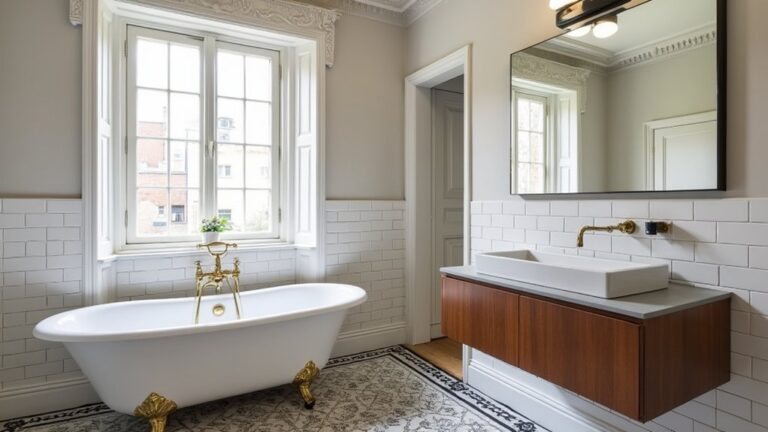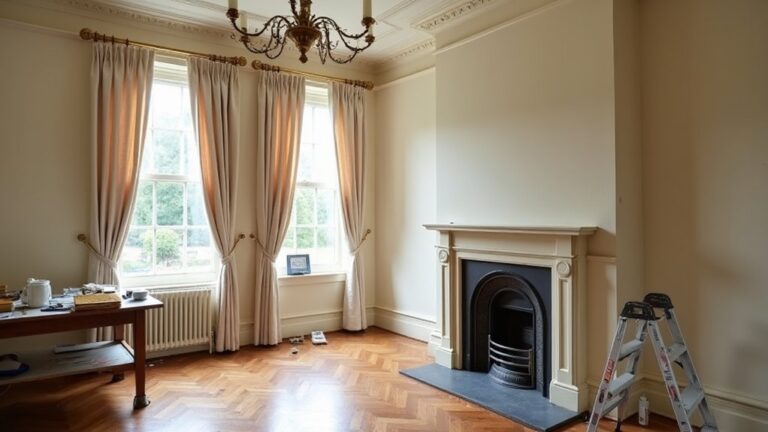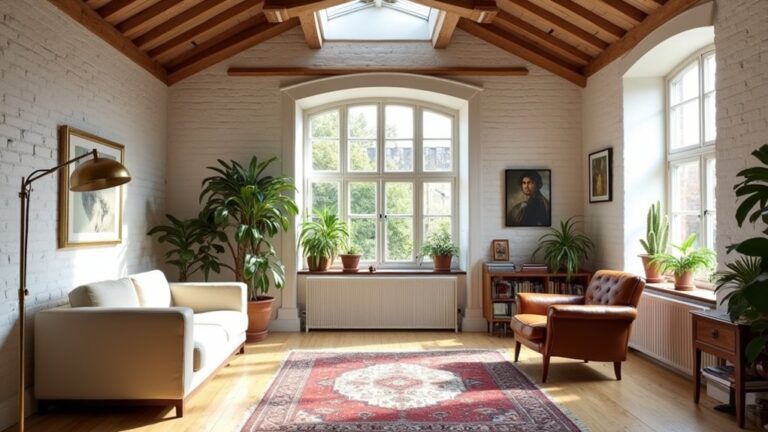
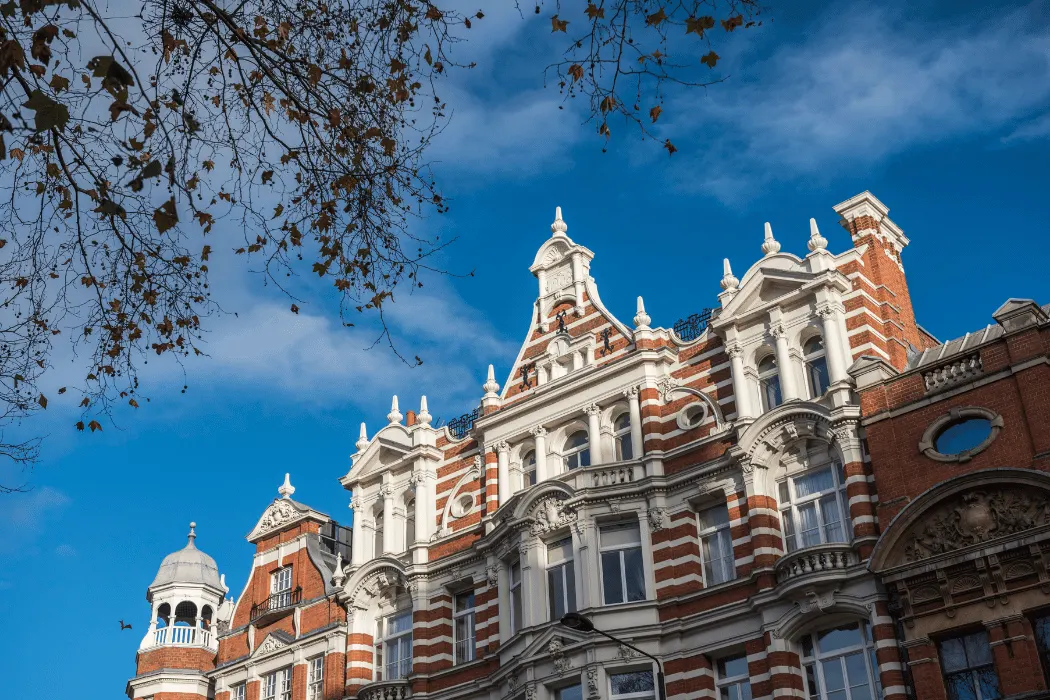
Period properties possess a unique charm and character that set them apart from modern homes. Whether it is a Victorian townhouse, Georgian residence, Edwardian villa, or a historic country cottage, these properties often feature beautiful architectural details, traditional craftsmanship, and timeless elegance. From ornate cornices and original fireplaces to sash windows and decorative mouldings, period homes tell a story through their design and construction.
However, while these homes offer remarkable character, they may not always meet the practical demands of contemporary living. Homeowners often face the challenge of maintaining the property’s historical integrity while introducing modern comforts, functionality, and convenience. Successful interior design for period properties requires a thoughtful balance between preserving original features and adapting spaces for today’s lifestyles.
Understanding the Character of a Period Property
Before beginning any interior design project, it is important to understand the property’s architectural history and unique features. Each period property reflects the design trends, craftsmanship, and materials of its era. These elements contribute significantly to the home’s identity and should be carefully considered throughout the design process.
Original fireplaces, ceiling roses, decorative mouldings, timber flooring, stained glass windows, and traditional joinery often serve as focal points within period homes. Rather than removing or hiding these features, interior designers work to highlight and enhance them.
By respecting the property’s heritage, homeowners can create interiors that celebrate the home’s history while introducing modern functionality and comfort.
Balancing Tradition and Contemporary Living
One of the most important goals when designing a period property is finding the right balance between traditional character and modern living requirements. Homeowners often want updated kitchens, improved lighting, better storage, and contemporary furnishings without losing the home’s historic appeal.
Achieving this balance requires careful planning. Modern elements should complement rather than compete with original architectural details. Contemporary furniture can sit comfortably alongside traditional features when selected thoughtfully. Similarly, modern lighting and technology can be integrated discreetly to maintain the overall aesthetic.
The most successful interiors respect the past while embracing the conveniences of the present.
Preserving Original Architectural Features
Original architectural details are often the most valuable aspects of a period property. Preserving these features helps maintain authenticity while enhancing the home’s visual appeal.
Decorative plasterwork, ceiling mouldings, fireplaces, wood panelling, and original flooring should be restored whenever possible. Skilled craftsmen can repair damaged features and return them to their former beauty.
Restoration not only protects the property’s heritage but can also increase its value. Buyers often appreciate homes that retain their original character and architectural significance.
When restoration is not possible, designers may introduce sympathetic replacements that match the style and proportions of the original features.
Modernizing Layouts for Better Functionality
Many period homes were designed for lifestyles that differ significantly from today’s living patterns. Small kitchens, separate formal dining rooms, and compartmentalized layouts may not suit modern family life.
Interior designers often reconfigure layouts to improve flow and functionality while preserving key architectural elements. Open-plan living spaces can sometimes be introduced carefully, allowing families to enjoy more connected and versatile environments.
The challenge is ensuring that structural changes do not diminish the property’s character. Designers work closely with architects and conservation specialists when necessary to achieve the best balance between functionality and preservation.
Thoughtful space planning allows period homes to support modern living without sacrificing their unique identity.
Choosing Appropriate Colour Schemes
Colour selection plays a vital role in enhancing the character of a period property. The right palette can highlight architectural features while creating a warm and welcoming atmosphere.
Many homeowners choose heritage-inspired colours that reflect the home’s historical origins. Rich greens, deep blues, warm neutrals, soft greys, and earthy tones are popular choices that complement traditional architecture beautifully.
Contemporary colour schemes can also work effectively when applied thoughtfully. Neutral backgrounds paired with carefully selected accent colours help create a fresh and sophisticated appearance while maintaining a sense of timelessness.
The goal is to select colours that enhance original features rather than overpower them.
Furniture Selection for Period Homes
Furniture plays an important role in achieving a balanced interior design scheme. While it may seem logical to fill a period property exclusively with traditional furniture, mixing classic and contemporary pieces often produces the most successful results.
Modern furniture can create interesting contrasts against historic architectural details. Clean-lined sofas, contemporary lighting, and minimalist accessories can complement decorative mouldings and original fireplaces beautifully.
Quality craftsmanship remains important regardless of style. Well-made furniture contributes to the overall elegance and longevity of the design.
A carefully curated mix of old and new helps create interiors that feel both timeless and relevant.
Lighting Considerations
Lighting is often one of the most challenging aspects of designing a period property. Older homes may have limited natural light or outdated electrical systems that require upgrading.
Layered lighting solutions help create comfortable and versatile environments. Combining ambient, task, and accent lighting ensures that spaces remain functional throughout the day while highlighting architectural details.
Chandeliers, wall sconces, pendant lights, and table lamps can all contribute to the atmosphere of a period home. Contemporary lighting fixtures can also work effectively when selected with sensitivity to the property’s character.
Proper lighting enhances both the beauty and functionality of interior spaces.
Incorporating Modern Technology
Today’s homeowners expect modern conveniences such as smart home systems, integrated entertainment, efficient heating, and enhanced security. Incorporating these technologies into a period property requires careful planning to avoid disrupting its historic appearance.
Designers often conceal wiring, speakers, and control systems within existing architectural features or custom-built cabinetry. Smart lighting and climate control systems can improve comfort and efficiency while remaining visually unobtrusive.
The aim is to enjoy the benefits of modern technology without compromising the property’s traditional charm.
Creating Comfortable Living Spaces
While preserving historical features is important, period properties must also provide comfortable living environments. Soft furnishings, rugs, curtains, and upholstery help introduce warmth and comfort while complementing the home’s architecture.
Luxurious fabrics such as velvet, linen, wool, and silk add texture and sophistication. Layering materials creates depth and contributes to a welcoming atmosphere.
Designers also consider practical aspects such as seating arrangements, storage solutions, and room functionality to ensure that spaces support everyday living.
Comfort should never be sacrificed for aesthetics. The most successful interiors achieve both.
Sustainability in Period Property Design
Sustainability has become an increasingly important consideration in interior design. Period properties can often benefit from upgrades that improve energy efficiency while respecting their heritage.
Secondary glazing, improved insulation, energy-efficient lighting, and sustainable materials can help reduce environmental impact without altering the property’s character. Restoring existing features rather than replacing them also supports sustainable design principles.
Investing in quality materials and timeless design choices helps ensure that interiors remain durable and relevant for many years.
Working with Professional Interior Designers
Designing a period property requires specialist knowledge and experience. Professional interior designers understand how to navigate the complexities of working with historic homes while meeting modern expectations.
They can help homeowners make informed decisions regarding restoration, layout changes, material selection, colour schemes, and furniture sourcing. Designers also collaborate with architects, contractors, and craftsmen to ensure that projects are completed to the highest standards.
Their expertise helps preserve the property’s unique character while creating interiors that are functional, beautiful, and suited to contemporary lifestyles.
Conclusion
Period properties offer a rare combination of history, craftsmanship, and architectural beauty. Preserving these qualities while introducing modern comfort requires a thoughtful and balanced approach to interior design.
By respecting original features, selecting appropriate materials, incorporating contemporary functionality, and creating comfortable living environments, homeowners can enjoy the best of both worlds. The result is a home that honours its heritage while supporting modern lifestyles.
With careful planning and professional guidance, period properties can be transformed into elegant and timeless homes that celebrate the past while embracing the future. These beautifully designed interiors continue to tell their stories for generations while providing exceptional comfort and style for modern living.
About the Author