- Key Takeaways
- What Is Warm Minimalism?
- The Essential Palette
- Furnishing with Feeling
- The Soul of the Space
- A Room-by-Room Guide
- Common Missteps to Avoid
- Conclusion
Key Takeaways
- Warm Minimalist Interior Design mixes fresh air spaces with cozy textures, organic materials, and muted colors, so rooms come across tranquil, welcoming, and aesthetically sparse instead of barren or frosty. It leans toward quality over quantity, with every piece selected for both function and beauty.
- Instead, thoughtful curation supplants rigid “less is more” dictates with bare-bones furniture and decor that provide significance and coziness. Readers can begin by editing and then re-adding only the pieces that truly facilitate daily life and visual balance.
- Human comfort lies at the heart of warm minimalist style, expressed through textiles, layered lighting, and organic shapes. To implement this, incorporate touches like linen cushions, wool rugs, and upholstered seating, and design rooms to promote comfort and effortless flow.
- A restrained, warm palette of soft whites, beiges, and earthy tones forms the cohesive backdrop for each room. Sticking with a few core colors and repeating natural materials like oak, linen, and ceramics throughout helps tie living areas, bedrooms, and functional spaces together.
- Quiet luxury emerges from timeless, well-made things, not lots of decoration or loud trends. When you invest in ergonomic chairs, solid wood tables, and sculptural lighting, spaces can feel elegant, intimate, and timeless.
- These are the common mistakes: you make a room too stark, add too many accessories, or you just forget texture and comfort. These diminish the warm factor. Readers can sidestep this by mixing smooth and tactile surfaces, leaving surfaces largely clear, and continually purging what actually has to remain in each room.
Warm minimalist interior design is all about a clean, simple space that still feels soft and lived in! Rooms employ zen lines, open floors, and minimal things but bring in warm tones, wood, and gentle light.
Wool, linen, and natural fiber rugs ensure the home doesn’t feel cold. The style suits small or large spaces and can accommodate many budgets.
The following sections detail straightforward steps and concrete examples.
What Is Warm Minimalism?
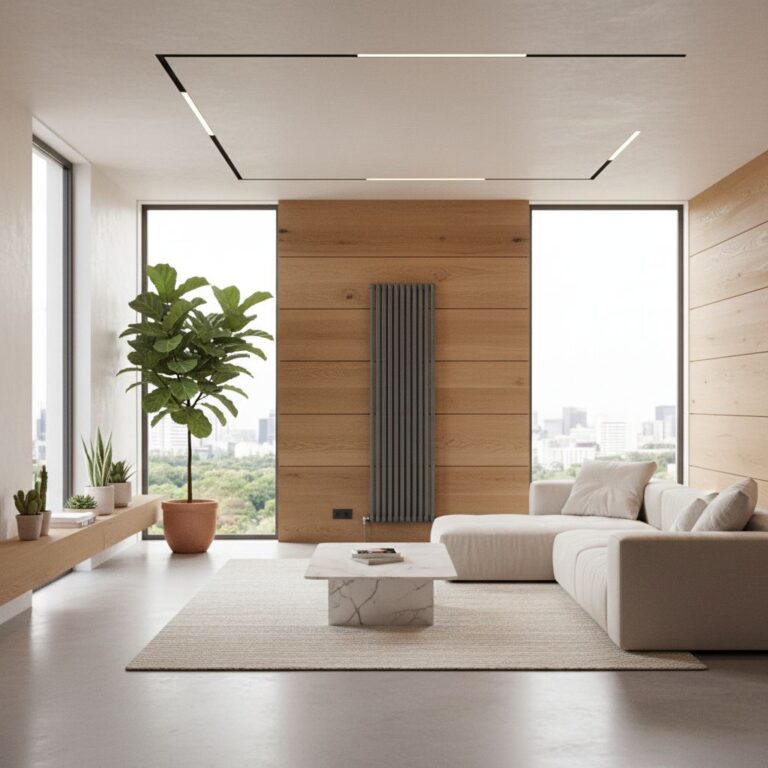
Warm minimalism is a style that combines the crispness of minimalism with a gentler, more inhabitable ambiance. It maintains the “less but better” mentality and injects coziness via light, texture and natural materials. Rooms remain minimal and serene but they feel human, warm and inviting instead of cold or austere.
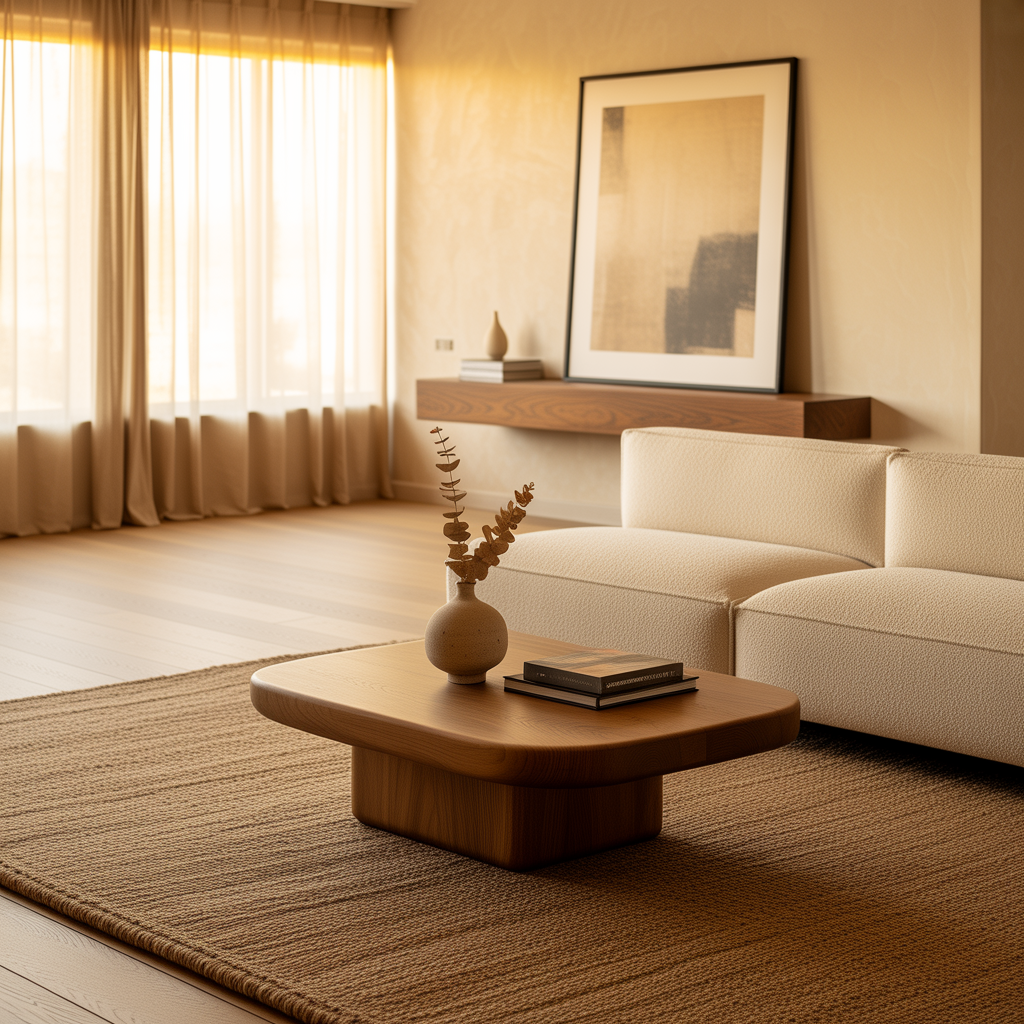
Spaces in this style utilize neutral palettes with three to four close, warm tones: soft greige, warm white, sand, and light brown. Elements such as timber, stone, wool, and linen create a hushed yet still textured canvas. Each piece has a definite purpose for occupying the space, keeping visual static low and clutter at bay, while layered fabrics and lighting cultivate comfort.
A warm minimalist interior aesthetic often features soft lighting, timber finishes and solid wood floors or beams, so the space feels grounded and cozy. The contrast with traditional minimalism is clear: instead of cold austerity and hard edges, this approach moves toward warmth, modern sensibility, and cohesive layered beauty that feels effortless.
1. Beyond Less
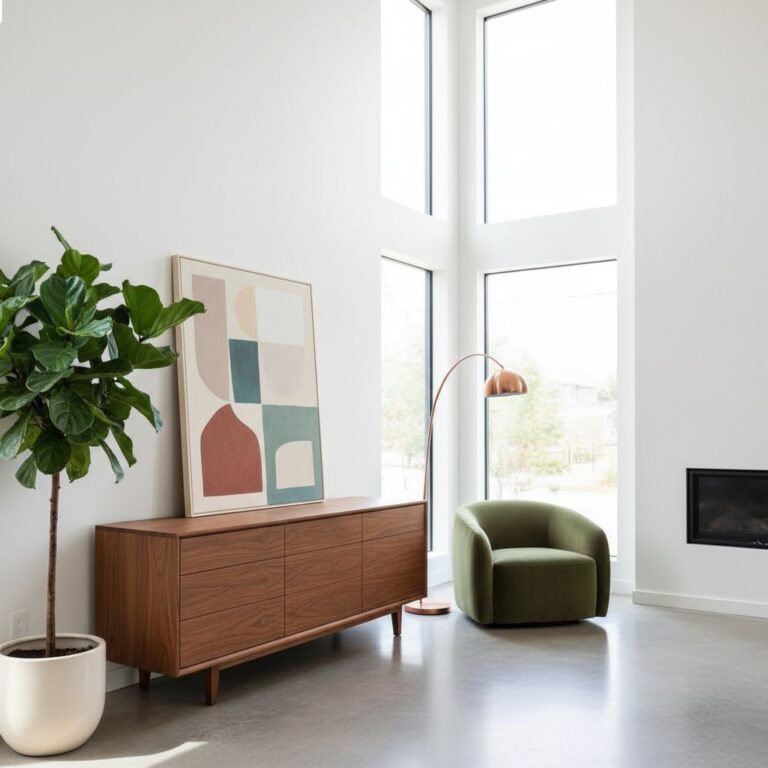
Warm minimalism transcends the notion that ‘minimal’ is synonymous with bare. Rooms aren’t bare, they’re curated. A minimalist and intentionally designed living room could contain a solid wood sofa, one side table, a low media unit, and just one large artwork. Every piece contributes both utility and understated elegance, so the room feels sufficiently filled but not cluttered.
Functional beauty is the name of the game. An oak dining table, a svelte metal floor lamp, or a woven bench by the entry all accomplish daily needs and still look great. No haphazard knickknack decor. Decisions are deliberate and they hustle.
To keep from being too severe, this style relies on natural shapes and soft hues. A rounded coffee table, a curved armchair, or a vase with soft edges interrupts linearity. Warm whites and muted browns prevent the room from feeling too sharp or harsh.
2. Human Touch
The human side shines through in tactile softness. Linen curtains, wool rugs, and upholstered sofas beckon for contact and make even an otherwise spare room feel laid back. Personal touches, whether that is handmade ceramics, framed sketches, or a curated collection of travel shots, imbue character without cluttering shelves with tchotchkes.
Natural materials such as oak, walnut, and stone add warmth and a sense of location. Even a single solid timber console or stone-topped side table can change the entire vibe. Layered soft furnishings, such as cushions in varying weaves and a throw at the foot of the bed, indicate that the bedroom should be occupied.
3. Sensory Layers
Sensory layering is what keeps warm minimalism from feeling flat. A room may use five different textures: smooth plaster walls, a wool rug, a linen sofa, a leather accent chair, and woven baskets for storage. Each one catches light a little differently, creating dimension with no additional clutter.
Ambient lighting helps this, too. Rather than relying on a single overhead light, this space incorporates statement lamps, wall sconces, or tiny table lamps to throw a warm glow during the evening hours. Color remains subdued, with adjoining tones of beige, mushroom, or taupe flowing softly from one plane to the next.
Pairings such as warm stone trimming and oak cabinetry demonstrate how two hushed materials can still create a sumptuous, dimensional appearance.
4. Intentional Comfort
Comfort is intentional, not coincidental. Sofas and chairs have ergonomic shapes and enough padding to make long reading or work sessions comfortable. Layouts allow natural walkways and position seating close enough to talk, so the space seems spacious but not sparse.
Bedrooms go with this concept as well. Breathable cotton sheets, airy blankets, and a no-frills fabric or wood headboard promote calm slumber. Soft window coverings, such as sheer curtains or light fabric shades, filter daylight and soften the room’s edges, de-stressing the eye.
5. Quiet Luxury
Warm minimalism often intersects with quiet luxury, which prioritizes serene, subtle sophistication. It flocks toward timeless pieces with clean lines and polished upholstery, like a low-profile wool-blend sofa or solid wood dining table with slim legs. Instead of lots of stuff, it remains focused on less, higher-quality items.
Color stays subdued, and lusciousness emerges from tactility and intricacy rather than loud patterns or glossy surfaces. Architectural interest, such as a simple built-in bench, custom cabinetry, or a sculptural pendant light, becomes a more understated focal point.
The outcome is a room that reads collected, rooted, and understatedly elegant without appearing manufactured or overly designed.
The Essential Palette
The essential palette in warm minimalist interiors rests on a restrained, soothing color scale. It relies on warm neutrals, soft whites, and earth tones that calm the eye and break through visual noise. Generally, any space will function with a defined base tone, one to two mid-tone highlights, and one grounding deep tone so the room feels serene without feeling monochrome.
Colors
Warm minimalist rooms frequently begin with beige, warm white, or a soft greige for the walls, then soften terracotta or clay as accent textiles, small furniture, or art. Mid-tone neutrals tend to consume somewhere between 20 to 30 percent of the color in the room which keeps things soft while still providing ample warmth.
One darker element in charcoal, umber, or soft black helps anchor the space, such as a slim metal floor lamp, a picture frame, or a low coffee table. Muted and dusty colors resonate better than bright, true colors because they mimic the natural materials of stone, sand, and clay.
A dusty rose cushion, a faded rust rug, or a sage throw can bring life without breaking the minimalist mood. Color pops need to stay subtle and soft. An abstract painting in clay and stone tones, a single ochre vase on a shelf, or olive green cushions on a linen sofa are often enough.
|
Room type |
Base color (walls) |
Mid-tone accents |
Dark grounding note |
Example combo |
|---|---|---|---|---|
|
Living room |
Warm white |
Beige, camel |
Charcoal metal |
Warm white walls, camel rug, charcoal floor lamp |
|
Bedroom |
Soft beige |
Dusty rose, taupe |
Soft black frame |
Beige walls, taupe linen, black-framed earth-tone print |
|
Kitchen |
Warm white |
Light oak, clay |
Umber or dark bronze |
White walls, oak fronts, clay tiles, bronze hardware |
|
Study |
Light greige |
Olive, sand |
Charcoal desk base |
Greige walls, sand curtains, olive chair, charcoal legs |
Materials
Natural materials keep the palette earthbound and true. Oak, ash, linen, wool, and ceramics provide a soft, lived-in aesthetic that still feels fresh. A well-curated palette typically relies on three to four material groups: one primary wood, one primary textile, one hard surface, and one accent metal.
One key wood tone on floors, large furniture and trim creates cohesion. A second tone of wood in a smaller piece, such as a side table or stool, brings in a subtle spark of intrigue without crowding the sight lines. For instance, light oak floors, corresponding oak shelves and that little walnut stool add dimension yet still come across as one cohesive clan.
- Living room: light oak, slubby linen, wool rug, matte ceramic
- Bedroom: pine or ash, cotton percale, wool blanket, paper lantern
- Kitchen: oak or birch fronts, stone or composite counter, ceramic tile, brushed steel
- Bathroom: light stone or porcelain, oak veneer, cotton towels, unglazed ceramics
- Study: walnut or smoked oak desk, linen curtains, low-pile rug, powder-coated metal
Textures
Texture is where a warm minimalist palette acquires actual depth. Smooth painted walls juxtaposed with exposed wood grain, slubby linen and a wool rug prevent the room from feeling chilly or austere. Layered textures — linen upholstery, soft wool throws, even slightly textured plaster walls — add warmth even when the hues stay very close.
Combining smooth ceramics with rougher textiles weaves a tactile narrative. A plain white vase on a rough jute or wool rug, or a shiny table lamp on a matte wood nightstand provides contrast without yelling. Art plays a role too: earth-tone abstracts, minimal line drawings with fluid forms, and neutral-toned nature photography all add visual texture while staying calm.
Checklist for texture pairings in common spaces:
- Living room: linen or cotton-blend sofa, wool or wool-blend rug, one velvet or boucle cushion, matte ceramic vases, warm-toned lighting at 2700 to 3000 Kelvin to soften edges.
- Bedroom: washed cotton bedding, slubby linen duvet cover, soft wool or cashmere throws, lightly textured wall art behind the bed, paper or fabric shade lamps in warm light.
- Study or home office: smooth wood desk, low-pile rug, linen curtains that filter light, framed line drawings in simple wood or soft black frames, ceramic pen cup or tray for a small tactile note.
- Dining area: wood table with visible grain, simple upholstered or cane chairs, ceramic dinnerware, linen or cotton runner, pendant light with warm bulb for a gentle, focused glow.
Furnishing with Feeling
Furnishing with feeling means employing minimalist rules without sacrificing warmth. It’s all about a home that looks serene and uncomplicated but still feels cozy, worn-in, and gentle to the senses.
Warm minimalism begins with furniture that is soft-edged and organic. Sharp corners and very hard lines can make a room feel too strict, so lots of folks opt for pieces that have rounded corners, curved backs, or tapered legs. Whether it’s a sofa with a low, curved arm, a round side table in solid wood, or a dining chair with a gentle arc in the backrest, these little touches all assist in making the space feel looser.
When the form is minimalist but not brutal, the space appears sleek but still warm and inviting. Utility and aesthetics have to come together in every item. In a warm minimalist home your sofa should provide deep, cozy seating, but its color, fabric and silhouette has to fit the room’s restful vibe.
A bed with a simple headboard in raw linen, for instance, backs its slumber first, but casts a hushed vibe across the entire room. Storage benches, smooth-front sideboards and nesting tables keep surfaces clear, which is key when the goal is less seen clutter and more head room!
Statement pieces help ground the design so the room doesn’t feel bare. Rather than clutter your living space with a million little things, find a statement piece like a solid oak coffee table with a thick, bare top and rounded legs to serve as the eye catcher.
A sculptural Enzo chair in a warm earthy fabric doubles as art and seating, providing the eye with a white space in which to breathe. It’s a strategy that relies on a few powerful shapes to shape the room so every piece feels intentional, not arbitrary.
Natural materials and texture introduce the “warm” to warm minimalism. Solid wood, natural linen, cotton, wool, clay, and stone add dimension even when the color scheme remains neutral and earthy. A chunky wool rug in a sand tone softens a plain concrete floor.
Soft wall sconces with warm white light (2700–3000 K) cast a gentle glow without adding additional objects atop tables. Layering textures—smooth oak, slub linen cushions, a woven throw—keeps the room dynamic while the shapes remain simple.
With less, but more carefully selected pieces, each one has space to breathe, and the entire room feels deliberate, cohesive, and comfortable.
The Soul of the Space
The soul of a warm minimalist space stems from warmth, modern sensibility, and a calm, layered aesthetic that feels organic instead of designed. It’s less about how much is in the room and more about why each thing is there.
Warm minimalism leans on three main groups of materials to shape this feeling: soft textiles, natural hard surfaces, and subtle metals or glass. Wool rugs, cotton throws, and linen curtains provide a silent richness of comfort. Organic hard surfaces like clay, terracotta, and wood introduce earthy neutrals that prevent the space from feeling flat or cold.
Thin accents of metal or transparent glass bring lightness and a contemporary edge without becoming the focus. The combination of these three groups, in varying proportions, is what provides the soul of the space.
Warm light is another big piece of the soul. Light and shadow collaborate to sculpt the tactile sensation of every surface and object. A plastered or lime-wash wall, for instance, can capture light in a gentle manner that simple paint cannot.
High-CRI bulbs with warm 2700 to 3000K tones keep colors popping and skin looking healthy. A plain wall sconce with a warm bulb over a wood cabinet can do more for the soul of the space than a brilliant overhead light that washes everything out.
A warm minimalist room requires one strong contrast to add depth and hold the eye. Whether it’s a dark wood table in a pale room, a single black steel frame chair against soft beige textiles, or one large piece of art with a bold but simple form, this is the soul of the space.
That one earthy contrast keeps the space from feeling bland, while the remainder remains hushed. Personality arises from a handful of purposeful things, not from countless knick-knacks. One big sofa with sincere lines or one big piece of art with neutrals can sometimes be more effective than lots of little stuff.
A simple wide ceramic vase filled with branches in season can speak volumes more than a tchotchke cluster. Every piece should deserve its place. This deliberate selection keeps visual clutter to a minimum and purpose to a maximum.
Each room should still feel like a little sanctuary that functions well. Seating, storage, and light are all positioned so everyday work flows easily. Understated accents like flowers, a woven basket, or a plush rug keep the space warm and human.
A Room-by-Room Guide
Warm minimalism works best when you tailor it to the room, not as a doorstop-style rule. Less is better stuff, soft light, calm color. Then go around each space and see what you can eliminate, conceal, or improve.
Living Areas
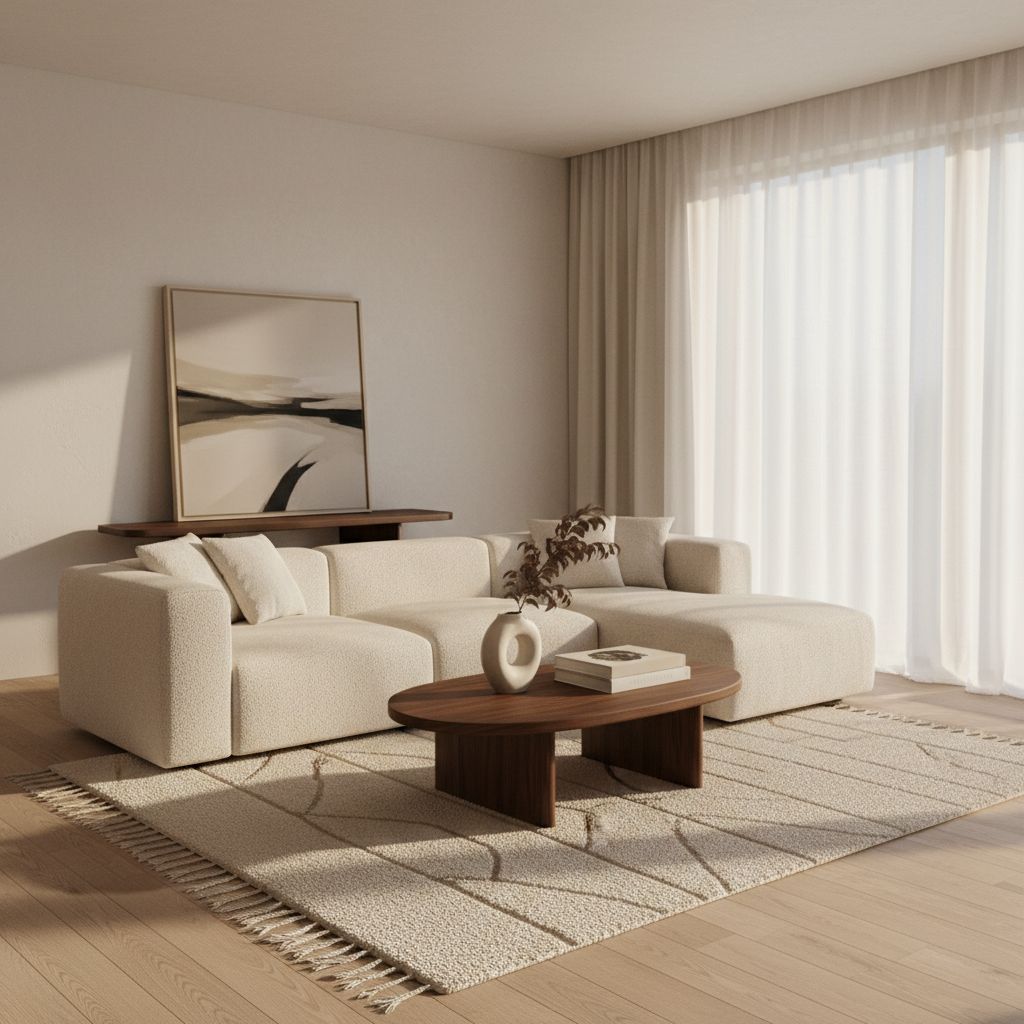
Start with a neutral base: soft white, beige, or warm gray on walls, and a low-contrast rug in a similar tone. Choose a sofa with clean lines and introduce two to three textural cushions in tonal neutrals, along with one special piece of neutral wall art.
As a general guide, artwork above a sofa should be approximately two-thirds the width of the furniture beneath, so the space feels balanced and not cluttered. Invest in one large coffee table in natural wood rather than a bunch of petite side tables. This reduces visual clutter and grounds the room.
Bring in living plants in unpretentious ceramic pots for an organic feel, and display just one to three significant pieces on the table or console — a favorite book, a bowl, a small sculpture. Place seating to encourage chatting and relaxation. Cluster seating so folks are confronting one another, keep pathways open and incorporate plush textiles, such as a wool rug or cotton throw.
Layer lighting by combining a ceiling light, a floor lamp for reading, and warm accent lamps. Swap cool bulbs, which are 4000 K and up, for warmer ones around 2700 to 3000 K to change the vibe instantly. If you’re short on storage, opt for custom or built-in wood cabinetry with flat fronts. Closed doors conceal appliances, cords, and excess decorations, while the wood grain provides warmth without the clutter added by additional accessories.
Living area checklist: neutral base, single wood coffee table, layered warm lighting, one to three decor objects, plants in simple pots, hidden storage, art sized to two-thirds of sofa width.
Private Sanctuaries
In bedrooms, keep only what you truly use: a bed, two nightstands, and maybe one chair or a slim bench. This minimal design allows the room to remain airy and serene, even if it’s on the smaller side.
Opt for breathable cotton or linen sheets in airy hues of sand, oatmeal, or warm white. An upholstered headboard and a lightweight blanket or quilt bring an added layer of quiet comfort without heavy visual weight. Limit decor to a few useful and meaningful pieces: a pair of simple bedside lamps, woven baskets for spare throws, or a small tray for essentials.
Situate the bed where you can easily get around it, avoid tall furniture that blocks windows, and maintain open pathways to reduce stress.
Bedroom checklist: Simple layout, cotton bedding, upholstered headboard, light blanket, one to two baskets, two nightstands, restrained decor.
Functional Spaces
Even kitchens, bathrooms, work corners and hallways can still feel warm while staying practical. Use clean lines and quality materials, such as light wood cabinetry, warm stone trimming like beige quartz, and simple metal handles in brushed steel or brass for a cohesive look.
Maintain clear countertops by putting daily items in drawers or cabinets. Only leave out what you access every day, like a kettle or hand soap. Good task lighting matters. Use warm under-cabinet strips in the kitchen, and if you read every day at your desk or in a chair, buy some strong but warm task lighting and a truly comfortable chair.
In bathrooms, toss in a soft cotton rug and towels in soft, earthy hues to break up the hard tile sensation. In hallways, opt for welcoming lighting such as wall sconces or a warm ceiling fixture. If walls are free, hang two or three pieces in a row of similarly framed art rather than numerous small frames.
A dining room can remain minimal with one beautiful solid wood dining table that usually beats three so-so pieces of furniture lying around. Match it with plain chairs and one centerpiece, such as a ceramic bowl or low vase. For a work nook, keep the desk surface largely clear, conceal cables wherever possible, and soften the room’s austerity with a small fabric cushion on your chair.
Functional spaces checklist: Light wood and warm stone, clear counters, warm 2700 to 3000 K bulbs, strong task lighting, one solid dining table, simple hallway art series, soft textiles in bath and work zones.
Common Missteps to Avoid
Warm minimalism seeks calm, clear spaces that nevertheless feel human and lived in. We typically misstep when the room swings too far toward cold minimalism or swings back toward clutter. Being mindful of texture, color, light and function helps maintain that balance.
One of the most common issues is ‘cold’ minimalism, where the space appears uncluttered but the atmosphere feels stilted or unwelcoming. This frequently manifests itself in the form of blank white walls, hard glossy surfaces, and minimal texture. It can leave you with a house that feels gloomy and unwanted, despite being neatly arranged.
Warm minimalism relies on touch and comfort: soft wool or cotton throws, linen curtains, woven baskets, and wood with a visible grain. A plain living room, for instance, could couple a low oatmeal-colored sofa, a rounded-edge wood coffee table, and one wool rug instead of exposed tiles and metal tables. We’re still after visual calm, but just enough texture that visitors want to sit and linger.
Overcrowding is yet another trap, even in the most minimal of homes. Additional seats, cabinets, and decor seem “safe,” but they rapidly devour floor space and clear surfaces. Before you add something, it helps to clear the room and replace only what is used in everyday life.
A couch, two armchairs, a side table, and a reading lamp might suffice for a compact 12 to 15 square meter room. Make each one count and, if you can, do double duty. A desk with drawers can hide papers and electronics. A bench with a lift-up seat can hold blankets. This keeps clutter minimal without sapping the room of coziness.
Color can work against warm minimalism. Too many colors in one room can feel busy, even with plain furniture. If you stick to two or three primary colors or a gentle monochrome palette, it maintains a feeling of control.
The 60 percent of the space in a dominant color, for instance, warm white walls, 30 percent in a secondary color, such as light beige furniture, and 10 percent in a tertiary color, maybe muted rust or olive in small accents, is a useful guide. In a bedroom, this could manifest as off-white walls, sand colored sheets, and rust accent pillows. They should have warmth and depth, not crisp or icy tones that drag a room toward cold minimalism.
Lighting is often less considered than it should be. One overhead light will make the room feel flat and stark. Warm minimalism works well with layers of light: a ceiling light for general use, a pendant over a table to create a pool of light, and one or two floor or table lamps to soften corners.
Warm white bulbs around 2700 to 3000 K keep the room feeling soothing and inviting. Well-designed lighting should direct the eye from one zone to another, such as from a sitting area to a reading nook, so the room feels like one coherent narrative rather than a collection of disparate elements.
A simple list of dos and don’ts can keep choices on track:
- DO incorporate a few warm textures such as wood, cotton, wool, and rattan.
- Don’t forget to verify that every single one has a defined practical objective.
- Do plan color with the 60/30/10 rule for balance.
- DON’T make some of your furniture built-in storage or double use.
- Layer lighting with ceiling, pendant, and floor or table lamps.
- Don’t de-clutter the room so much that it seems bare or cold.
- Don’t cram every wall and corner with decor or furniture.
- Don’t mix many bright colors in one small space.
- Don’t rely only on one harsh overhead light source.
- Don’t forget about the eye flow of the room as a whole.
Conclusion
Warm minimalism trims away the unnecessary and still feels gentle and relaxed. Clean lines, soft light and a little blend of well-loved things can transform a flat room into a true home. A cream sofa with a wool throw. A wood table with one clay bowl. A plant that soaks the late sun. Little moves lead to huge difference.
No need for a complete gut job or expensive equipment. Begin with a single room. Wipe the floor. Hold onto what you use and what you love. Put in one warm glow, one soft stroke, and one piece of nature.
Want to explore warm minimalist interior design or are you hung up on a vexing room? Show your space, your style, your next step.
About the Author