- Key Takeaways
- Defining Modern Luxe Interior Design
- The Materiality of Luxury
- The Art of Curation
- The Unseen Elements
- Balancing Form and Function
- The Future of Luxe Living
- Conclusion
Key Takeaways
- Modern luxe interior design mixes sleek modern lines with subtle sophistication, premium materials, and hand-picked touches for an upscale yet comfortable living space. It seeks to strike a balance between cozy and efficient, tailored to everyday life.
- With purposeful space planning, open layouts, and delineated zones, every room has a sense of both functionality and luxury. Multi-functional furniture and built-in storage keep interiors uncluttered and facilitate a smooth and easy flow.
- A muted color scheme of gentle neutrals and understated pops softly sets a tranquil tone that reads more timeless than trendy. Layered textures, such as plush textiles, fine fabrics, and natural woods, add depth and warmth without visual noise.
- Sculptural and curated accents give modern luxe spaces character and personality without overpowering them. A few standout pieces, such as a statement chandelier, designer sofa, or art object can really anchor a room and express your style.
- Smart integration, wellness-focused features and sustainable choices are now central to modern luxe instead of add-ons. Thoughtfully curated lighting, concealed technology, sustainable materials and biophilic design encourage lasting comfort, efficiency and wellness.
- They focus on an aesthetic that balances form and function by selecting furnishings and finishes that are undeniably sophisticated, but support daily routines. Homeowners can future-proof their space with quality materials, flexible layouts, and smart systems.
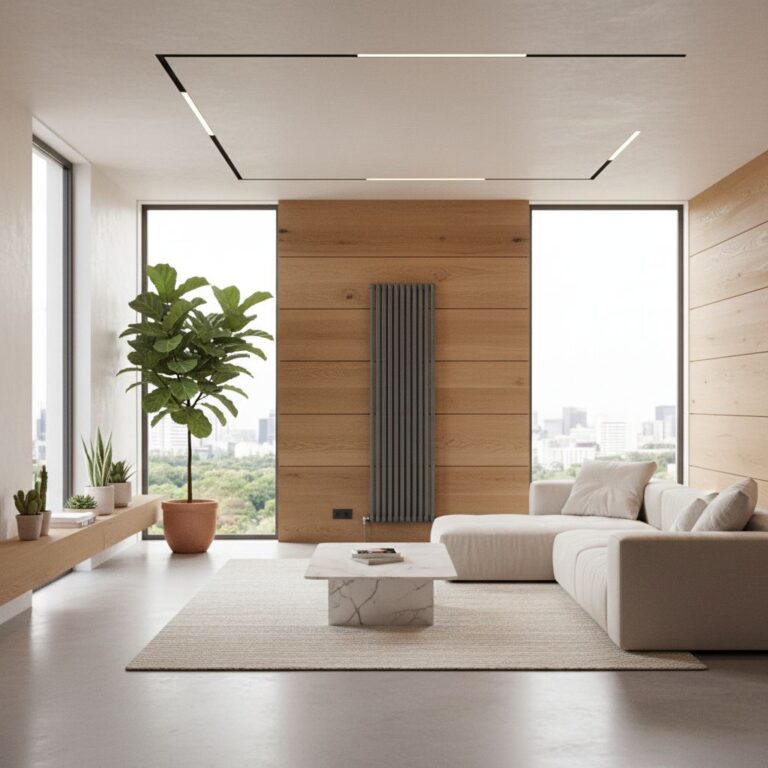
Modern luxe interior design mixes crisp edges, luxurious textiles and muted tones to craft interiors that are elegant yet comfortable. Rooms typically pair soft neutrals, layered textures and a few bold accents for contrast.
Think natural stone, warm metals and built-in lighting that feels subtle, not harsh. To understand how modern luxe plays out in actual interiors, the next sections dissect essential components, room designs and styling advice.
Defining Modern Luxe Interior Design
Modern luxe interiors fuse crisp, contemporary lines with understated glamour. Spaces seem airy, luminous, and serene, while being cozy and curated. The emphasis remains on sophisticated shapes, robust fabrics, and a floorplan that accommodates living instead of resisting it.
1. Intentional Space
Think wide open layouts with minimal partitions. The eye glides from kitchen to dining to living without hard breaks. This open flow tends to make spaces feel larger and more navigable, all the while still allowing space for more intimate niches.
A long sectional near a low-profile media unit, for instance, can section off a living space without a wall. Each space pulls double duty. Storage is built in where possible: tall cabinets that run to the ceiling, bench seating with hidden compartments, slim consoles along hallways.
In a bedroom, a wall of sleek wardrobe fronts can eliminate the necessity for additional furniture, creating more breathing room and a quieter appearance. Each element deserves its spot. A dining table could have a clean, sculpted base in wood or stone so it reads as both art and function.
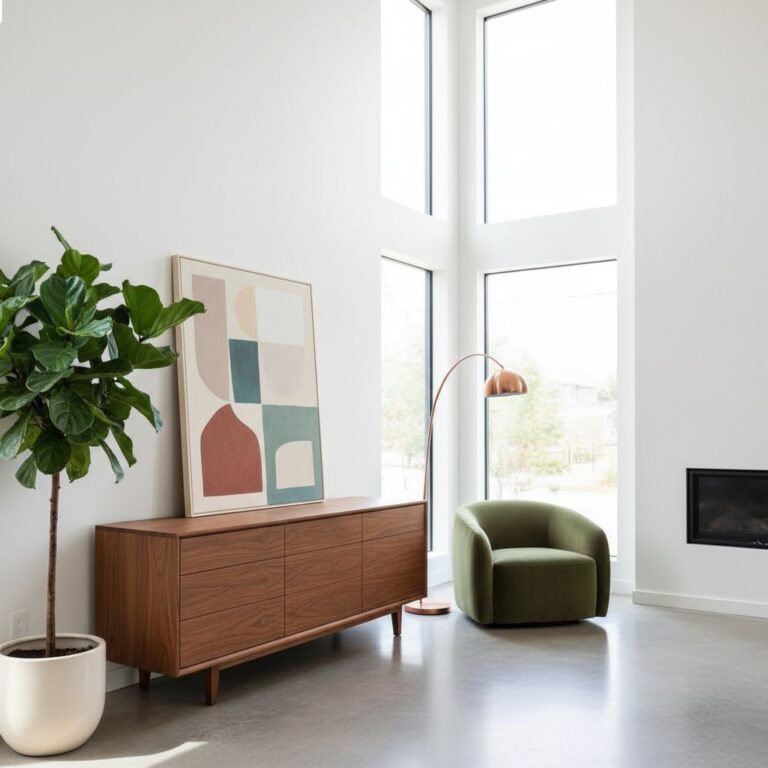
A reading nook by a big window with a lounge chair, floor lamp, and side table carves out a defined, human-scale corner that feels warm and accessible.
2. Quiet Palette
A mute palette is key to modern luxe. Soft whites, warm beiges, gentle grays and pale taupes create a calm backdrop that doesn’t date quickly. These hues play well with a lot of cultures and climates, and they allow elements of stone, wood, and metal to exhibit their own personality.
In bedrooms and living rooms, light wood floors, gray sofas, and naked wood accents establish a calm foundation. A pale oak floor, low gray sofa, and simple wood sideboard make any tiny flat feel more open, particularly when combined with generous glass windows that bring in daylight.
Color remains, but in a tightly controlled fashion. A deep blue velvet armchair, a rug in a rust hue, or a set of green ceramic vases could be your only strong note in an otherwise neutral room, so they come across as purposeful rather than noisy.
3. Layered Textures
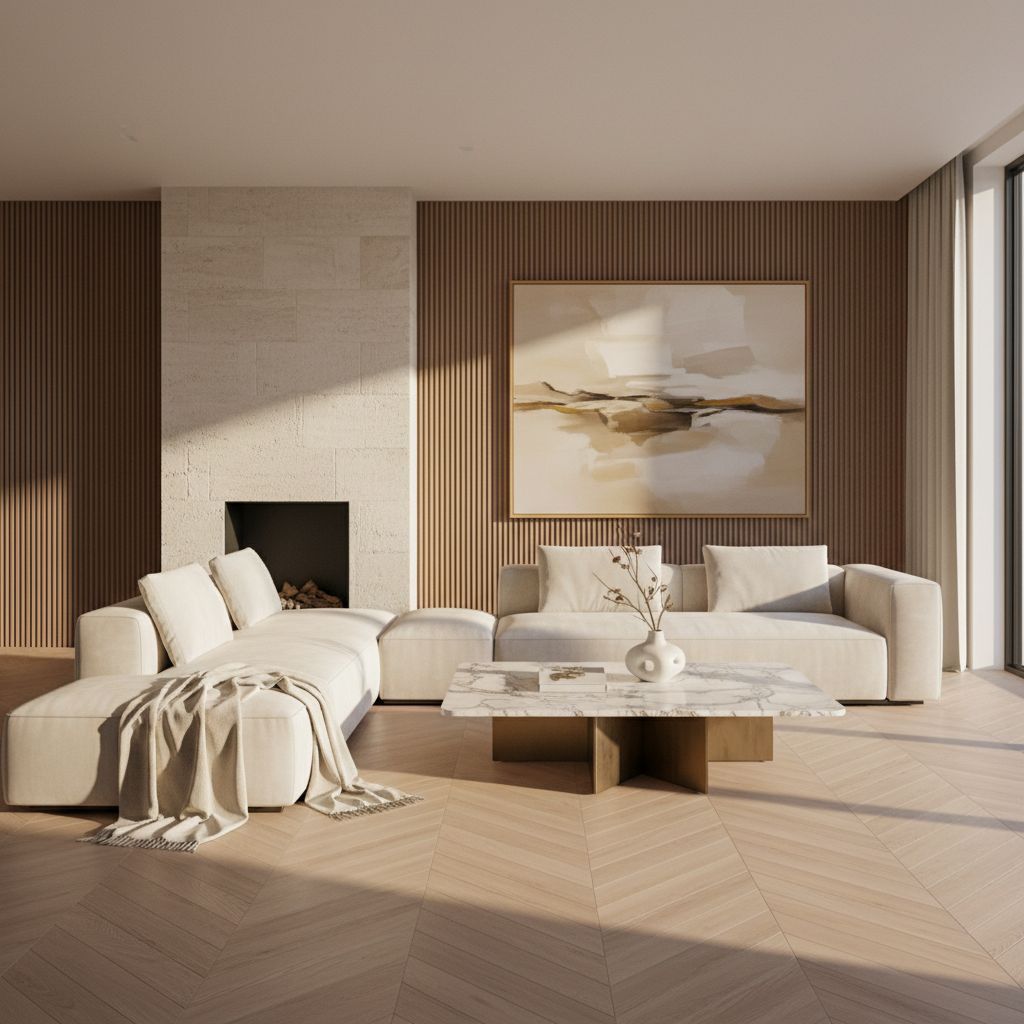
Texture does a lot of the visual heavy-lifting in modern luxe spaces. Sleek stone, plush textiles, and golden woods nestle beside one another to inject dimension without the fuss of patterns. Natural stone such as marble, granite, or onyx frequently makes an appearance in the form of countertops, floors, or feature walls whose veining imbues spaces with subtle motion.
Materials are layered in obvious readable manners. A light wood cabinet with a rosewood accent shelf, woven seat and matte metal pull can feel luxe with no extra decoration. In a California coastal modern take, that same mix might lean lighter: pale oak cabinetry, linen bar stools and woven pendants over a stone island.
Soft goods complete the scene. Designer bedding, plump duvets and lush throws make bedrooms and lounges feel like a breeze. These differing backdrops, maybe a limewashed wall behind a linen headboard or a simple wool rug beneath a leather chair, create a tactile narrative that reads understated, not ostentatious.
4. Sculptural Forms
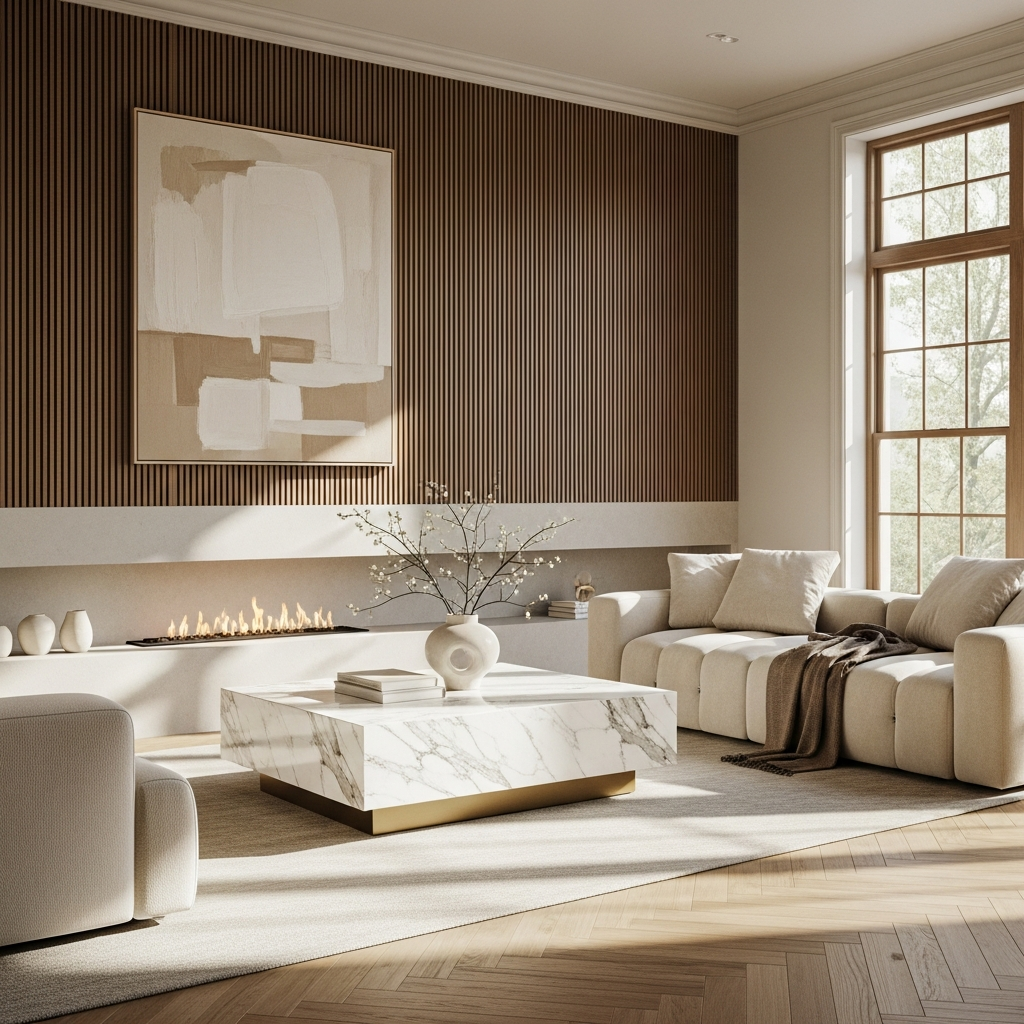
Sculptural forms inject quiet drama while maintaining a clean overall look. Statement furniture with defined, strong lines, think of a low-profile, rounded-edge sofa or solid wood dining table with a bold base, is both seating and statement.
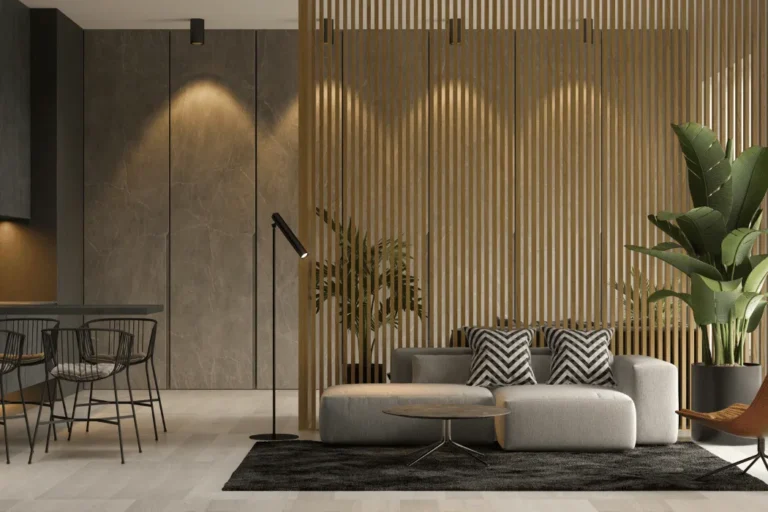
Camaleonda-style modular sofas, with their soft, blocky shapes, tend to anchor living rooms in modern luxe homes. Lighting is an important tool for sculpting. Glass pendants over a kitchen island, a thin-armed chandelier in your dining room, or delicate wall sconces in a hallway provide shape and shadow.
These pieces draw your eye throughout the open plan and provide zoned spaces without walls.
5. Curated Accents
Accents in modern luxe are limited yet deliberate. Art house prints, a solitary ceramic sculpture or handwoven textile from a significant trip can rest on open shelving or a low console, grounding the space with meaning without clutter.
A living room long shelf could feature framed art, small vases, and books spaced out with breathing room. Personal pieces are important. A mini gallery of black-and-white snaps from family functions, a beloved design book, or a tiny hotel tray can tell the owner’s tale while still maintaining an elevated scheme.
These accents often shift with the season. Lighter textiles and glass objects appear in warmer months, while more wool, wood, and candles are used in cooler ones, keeping the interior fresh while the core layout and palette stay stable.
The Materiality of Luxury
Contemporary luxe interiors don’t yell at you. They bank on serene, tangible surfaces and hushed intricacy. Luxury resides in their materiality, how things feel to the hand, how they age, and how they withstand everyday use.
You establish the tenor by splurging on luxurious base materials. Solid cabinetry in hardwood or high-grade plywood is firm, resists warping, and accommodates polished lacquer, matte paint, or wood veneer finishes. Glass doors, clear, reeded, or smoked, give a light, cut edge and serve to open up small spaces.
Countertops in natural stone, quartz, or dense porcelain impart heft and permanence. Marble remains timeless, but plenty of designers these days repurpose marble off-cuts and scraps for side tables, shelving, or mosaics, reducing waste and making the aesthetic feel more individual and less showroom.
Countertop, flooring, and built-in choices matter just as much as the layout. In a contemporary luxury residence, these planes often are unadorned in contour but robust in substance. Wide plank wood floors in oak or walnut, finished in a matte seal, add warmth and transcend styles.
Big-format stone or porcelain tiles, in muted shades, offer clean lines with minimal grout lines and appear more zen and simpler to wash. Pearlescent warm grey cement plaster walls can offer a gentle glow and an unbroken, seamless background that substitutes for loud paint and wallpaper.
This type of finish is a great complement to natural textures like linen curtains, wool rugs, and simple cotton bedding, all of which add depth without visual clutter. Designer finishes and new material options inject a touch of luxury.
Bronze hardware and trim wear in and develop a natural patina over time, which some perceive as more genuine than glossy, immaculate metal. Leather of the highest quality — think Spinneybeck leather on chairs, headboards or wall panels — has the ability to change the mood of a room, instilling a sense of calmness and groundedness.
The objective is not to pile on as many rich materials as possible, but rather to mix and match a handful of sturdy, hand-made pieces with classic lines. In our fast-paced culture, these little comforts and subtle luxuries usually seem more relaxing and more sustainable than boisterous, trend-based décor.
Recommended materials and finishes by room:
- Living room: oak or walnut flooring, linen or wool rugs, Spinneybeck leather seating, bronze or blackened steel hardware, plaster or warm grey painted walls.
- Kitchen: Solid wood or high-grade plywood cabinets, quartz or marble countertops, porcelain backsplash tiles, glass cabinet doors, stainless steel or bronze fixtures.
- Bathroom: large-format porcelain or stone tiles, marble or stone composite vanity tops, brass or bronze fittings, cement plaster or moisture-safe paint walls.
- Bedroom: Wood flooring or low-pile wool carpet, linen or cotton bedding, leather or upholstered headboard, simple wood nightstands with metal pulls.
- Entryway: Stone or porcelain tile floor, built-in wood storage, metal hooks or rail, mirror with bronze or black frame.
The Art of Curation
Curation in modern luxe design is about constructing a space, bit by bit, with purpose, so the room has a serene, sumptuous, personal sense, rather than a cluttered one. It’s a handcrafted method, molded by those who dwell within, which is why not two tastefully curated residences appear identical, even if employing comparable palettes or elements.
Curating your furnishings, art, and accessories begins with a clear story. That narrative could be simple solace, a penchant for wanderlust or a blend of tradition and contemporary fashion. Big pieces like sofas, dining tables and beds establish the foundation. In a modern luxe room, these will have clean lines, nice fabric and nice craft in neutral shades like soft gray, sand or warm white.
Smaller bits then add layers. A leather lounge chair, a black metal side table or stone bench can connect spaces and carry the eye smoothly along. Accessories stay focused: a handwoven throw, a few ceramic bowls or a single sculptural vase in each zone. This makes the decor cohesive rather than cluttered.
Balance comes from mixing show-stopping centerpieces with whispering luxury goods. A sassy chandelier above a dining room table, an oversized stone coffee table in a living area, or a showstopping headboard in a bedroom can serve as the centerpiece. Around these, lighter solids with subtle texture—wool rugs, linen curtains, sleek oak storage—keep the space lush but not brash.
Art is a big part of it. One bold piece can command a wall, and a small gallery of drawings can add a softer note of intimacy. Curation is not about what feels good; it’s about selecting pieces that make a crisp statement about taste, culture, or values.
Most new luxe projects are using custom or limited pieces. Collaborating with craftsmen and renowned creatives can introduce hand-crafted lighting, bespoke sofas, or custom tables. These items often carry a story: a locally carved wood bench, a rug knotted in a small workshop, or a light fixture made by a glass artist.
Mixing them with a couple of vintage discoveries and newer designs makes for a mix of personal history and current day style. This equilibrium adds richness and prevents the space from feeling too showroom-like.
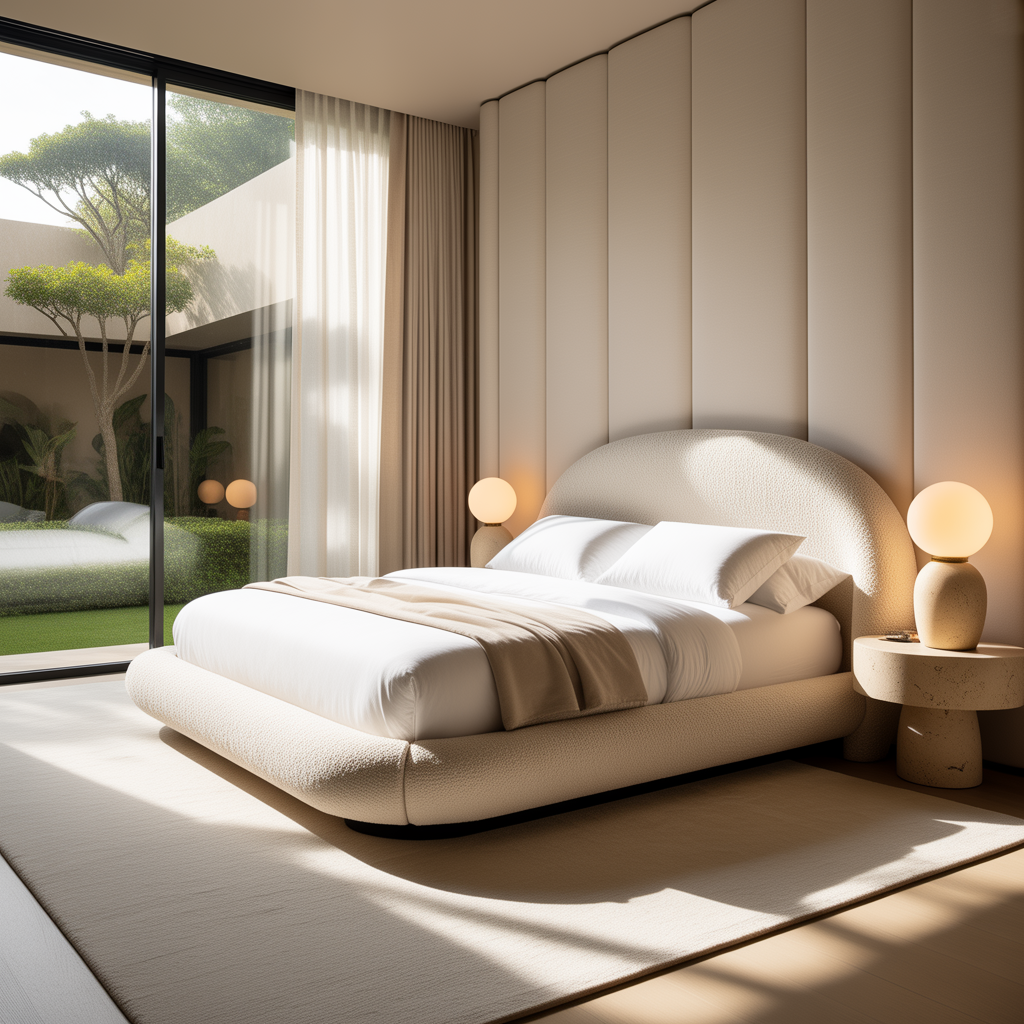
Curation addresses how a home evolves. Seasonal refreshes with smaller accessories, flowers and even home fragrances can shift the mood without major changes. Lighter textiles and citrus scents in the warmer months can make a room feel airy, while denser weaves and warm, woody notes are suitable for colder seasons.
Swapping in art and decor and purging sensitively maintain the room crisp and current, yet still a clutch on to staples. Leaving a shelf, wall or corner a little open on purpose allows room for new discoveries, gifts or souvenirs from your travels. This ‘incomplete’ vibe is not a bug; it lets the interior expand with its owners and remain true to their existence.
|
Component |
Ideal Placement |
Purpose in Modern Luxe |
|---|---|---|
|
Statement sofa |
Living area center, facing focal wall |
Ground the room and set comfort level |
|
Large artwork |
Eye‑level on main wall, 1.5–2 m wide |
Create a clear visual anchor and bold story |
The Unseen Elements
Modern luxe interiors depend on silent elements that sculpt how a space resonates well before anyone sees the couch or the painting. Concealed lighting, climate control, and storage linger in the background but establish comfort, tranquility, and functionality on a daily basis.
Smart Integration
About: The Hidden Things Smart integration begins with the fundamental systems that you don’t notice initially. Whole-home lighting control transforms a room from task to ambient mode with one preset, dimming ceiling lights, warming bedside lamps and turning on gentle cabinet lighting.
Seamless security from cameras to smart locks adds protection without cumbersome hardware. Climate control that connects underfloor heating, ceiling fans and zoned cooling maintains room temperature, which is important in expansive spaces with large glass walls and vaulted ceilings.
Storage factors in heavily. Built-in drawers under window seats, full-height front cabinets that blend with wall panels, and slim shelving recessed into niches keep surfaces clear so natural stone, like marble or granite countertops, can shine.
Concealed panels can contain media equipment, routers, or speakers, leaving the footprint of a jade green accent chair or a sculptural coffee table pristine and uncluttered. Technology should ideally become invisible.
TVs flush with stone walls, speakers nestled into the ceiling, and touch panels that blend with the wall finish guard the serene neutral envelope of the room. This allows luxe fabrics and glass pieces, such as transparent room dividers or low-set glass tables, to dictate the vibe instead of wires and gadgets.
Whole-home lighting scenes that seamlessly shift color warmth from morning to night.
Zoned climate control with app access and super quiet, well-insulated ducting.
Built-in audio with ceiling or in-wall speakers connected to streaming apps.
Smart shades on big windows control glare, heat, and privacy.
Discreet security includes video doorbells, sensors, and keyless entry at main doors.
Wellness Focus
Wellness occupies the core of contemporary luxury. Big windows, glazed doors and glass interior walls imbue the home with natural light, reducing the requirement for harsh overhead lighting and complementing ambient cove lights.
Air purifiers, bedroom wall soundproofing and solid doors help block city noise and filter dust, fueling deep rest and focus. Ergonomic sofas, work chairs and dining seats cradle the body during extended desk days or entertaining late into the night.
Tranquil oases like spa-esque bathrooms and plush, layered bedrooms transform everyday transitions into mini escapes. A bathroom with stone floors, a big walk-in shower and warm cabinet lighting at toe level is quiet and safe.
In a bedroom, blackout layers behind sheers, soft rugs alongside the bed and clear walkways around low furnishings let you navigate in the dark without stress. Open spaces surrounding these rooms maintain circulation simply and without visual clutter.
Biophilic design injects a constant comfort. Indoor plants in plain neutral pots, a green wall beside a dining table, or a framed garden vista through expansive sliding doors keep you connected to natural rhythms.
Natural stone, wood, and woven textiles all help to echo outdoor textures inside.
Wellness checklist:
- Maximize daylight with large windows and light-filtering shades.
- Use air purification and low-noise mechanical systems.
- Choose ergonomic seating for work, dining, and lounge zones.
- Add layered lighting: task, ambient, and soft night lighting.
- Introduce plants, natural stone, and wood for touchable coziness.
Sustainable Choices
Sustainability in contemporary luxe design tends to manifest itself through humble, consistent decisions as opposed to flashy declarations. A lot of high-end projects these days prefer furnishings from brands with transparent sourcing and repair options and rely on resilient materials like solid wood, wool and natural stone that age beautifully.
Re-purposed wood for flooring or shelves, recycled fabrics for rugs and throws and low-VOC paints and finishes promote healthier indoor air, which ties back to wellbeing. Energy use is another quiet upgrade that really counts.
LED lighting for all ambient and cabinet fixtures, efficient climate systems with good insulation, and modern appliances with strong energy ratings reduce running costs and environmental impact. It can liberate budget for one or two signature pieces, a designer lounge chair or carved stone coffee table, that ground the room and exude quality.
Neutral backdrops allow these decisions to come across cool instead of rigid. Soft off-white walls, pale stone floors, and uncomplicated glass details serve as a foundation.
Bold pops of color, think jade green cushions or a deep-toned sideboard, can pivot with the seasons without swapping out the foundational shell.
- Living room: LED recessed lights, recycled-fiber rugs, FSC-certified wood tables, low-VOC wall paint.
- Kitchen: Energy-efficient induction cooktop, A-rated fridge, recycled composite or responsibly sourced stone counters, cabinet lighting with LED strips.
- Bedroom: Organic cotton or linen bedding, wool rugs, low-VOC finishes on wardrobes, blackout shades that help reduce cooling loads.
- Bathroom: Water-saving fixtures, tiles with recycled content, durable stone tops, and ventilation fans with low energy use.
Balancing Form and Function
About Striking a Balance Between Form and Function. A healthy equilibrium arises from thoughtful design, intelligent materials selection, and an authentic understanding of how human beings stand, sit, toil, and unwind in the room on a daily basis. If a room swings entirely towards function, it can come across as flat and forgettable. If it swings solely on form, it might photograph well and fail in everyday use.
Harmony begins with the design. A good layout assigns each space a distinct purpose and an easy flow in and out, so daily rhythms seem fluid rather than congested or frenzied. In a living room, for example, this could translate into a primary seating cluster for conversations, a cozy reading nook by the window, and an unobstructed path from the door to the balcony. All have a purpose, but the lines, colors, and heights still unite and compose one calm appearance.
Too many cool rooms appear edgy and impressive but become starched when you attempt to inhabit them. Good planning avoids that chasm. Furniture does most of the heavy lifting. Today’s luxe spaces demand that sofas, chairs, and beds be as easy on the eye as they are kind to the body. A plush sofa with clean arms and slim legs can add softness without the bulk. A bed frame with a padded headboard and clean lines can accommodate reading, screentime, and sleeping while still looking tidy.
Seeking this balance can be difficult, especially if the room relies on minimalist elements. A slim dining chair might appear airy, but if the seat is too firm or the back too low, extended meals become a chore. Just testing seat depth, back angle, and fabric feel makes a big change in how the room works over time. Materials ought to echo the mood yet still tackle everyday wear. Stone, wood, metal, and fabric can all feel luxe, but they need the right finish.
If you have a busy kitchen, a matte stone counter that is stain-resistant is more practical than a high-gloss surface that marks quickly. In a family room, a tight-weave or performance fabric on the sofa can handle the kids, the dog, and everyday living without sacrificing its style. This mix of logic and feeling is key: view each space from both a practical and an emotional angle. It needs to be great for little daily rituals today and still sit well with long-term aspirations, whether that is expanding a family, entertaining more guests, or the work-from-home life.
In our homes, this equilibrium accomplishes more than aesthetic delight. It influences form and function, defines comfort and convenience, and even influences how others feel at the end of the day. A room with defined function and character provides more than just storage and seating. It gives a feeling of place and identity.
|
Room |
Form Priority (Look & Mood) |
Function Priority (Use & Comfort) |
|---|---|---|
|
Kitchen |
Clean lines, cohesive fronts, calm color palette |
Efficient work triangle, durable counters, smart storage at hand |
|
Bedroom |
Soft lighting, layered textiles, simple headboard |
Supportive mattress, easy paths, quiet zones for rest |
|
Home office |
Minimal visual noise, tidy cable management, art wall |
Ergonomic chair, correct desk height, clear zones for focus and calls |
The Future of Luxe Living
The next wave of modern luxe design eschews status symbols for spaces that feel calm, useful, and warm. By 2026, luxe living is going to be less about logos and more about how functional a home is day to day while still appearing sophisticated.
One obvious trend is boutique luxury. Luxury homes won’t necessarily be big, at least not in dense urban environments. Smaller spaces will employ clever storage, built-in seating, and adaptable floor plans that morph from work to rest in a couple of moves.
A living room could conceal a fold-down desk and wall bed, but continue to have soft wool rugs, solid wood shelves, and stone side tables. To make every meter really matter without sacrificing ‘softness’, smart home tools come to assistance here as well. Concealed speakers in ceilings, app-controlled climate, and dimmable LED tracks allow owners to sculpt light, sound, and air with no clunky devices in view.
Designers embrace quiet luxury. Instead of loud logos, quality shows in details: solid brass hardware, smooth plaster walls, handwoven textiles, and custom joinery that fits with no gaps. Ceilings begin to serve as statement pieces, with curved recesses, gentle limewash or plaster finishes, and atmospheric indirect lighting that encircles a space like a halo.
Minimalism remains powerful, but it becomes more brash and more human. Imagine serene color fundamentals with a single jagged edge — a deep green sofa in an airy room, a lone sculptural chair next to a simple oak table, accompanied by technology that seems soft and feeling, not frigid and hi-tech.
Nature defines the new concept of wellness luxury. Homes bring the outside in with real plants, natural stone, clay paint, and wide windows that catch light and sky. A kitchen island could utilize honed marble with veining while a bathroom features river stone floors and warm wood.
Rooms need to multitask with elegance. A living space can pivot from a yoga nook in the morning to a party den by nightfall, complete with concealed storage for mats and speakers. Kitchens can have mobile workstations on wheels that roll away during cook time.
Lighting and furniture trends indicate more personality with purpose. Sculptural fixtures in blown glass, floating organic shapes or recycled metal hang like art yet still provide great task light. Neo-Deco appears as a bridge between classic and current style: curved sofas, fluted wood panels, and simple geometric patterns in calm, modern colors.
This blend allows homes to feel both earthy and new. For most owners, the future will be turnkey services that take care of layout, materials, smart systems and styling from start to finish, tailored to how they live, work and rest.
Conclusion
Modern luxe resides in the details, not just in the expensive labels. Soft light on an empty wall. A well-crafted chair that is comfortable to sit in. A stone counter that stands up to actual use.
Every decision counts. Textile, brass, timber, painting, perfume, music. They each influence a room’s functionality and day-to-day livability. Your house may appear crisp and sleek and remain cozy, zen, and functional.
As a next step, select a single room. Trade brutal light for cozy lamps. Declutter flat surfaces. Throw in one luxurious element such as a wool rug or stone side table. Experiment and adjust, then expand.
About the Author